US Foreign Policy

Congress and the Presidency

Michael Flynn

Professor

Department of Political Science

011C Calvin Hall

meflynn@ksu.edu

2025-09-23

Lecture Overview

  1. Traditional views of Congress and the Presidency

  2. Institutional powers

  3. Constraining the president

Traditional Views

Traditional Views

President

  • Enjoys primacy in foreign policymaking

  • Elected by one “district”

  • Represents the whole country

Congress

  • Unimportant in foreign policymaking

  • Agglomeration of narrow views

  • Legislators represent narrow constituencies

Traditional Views

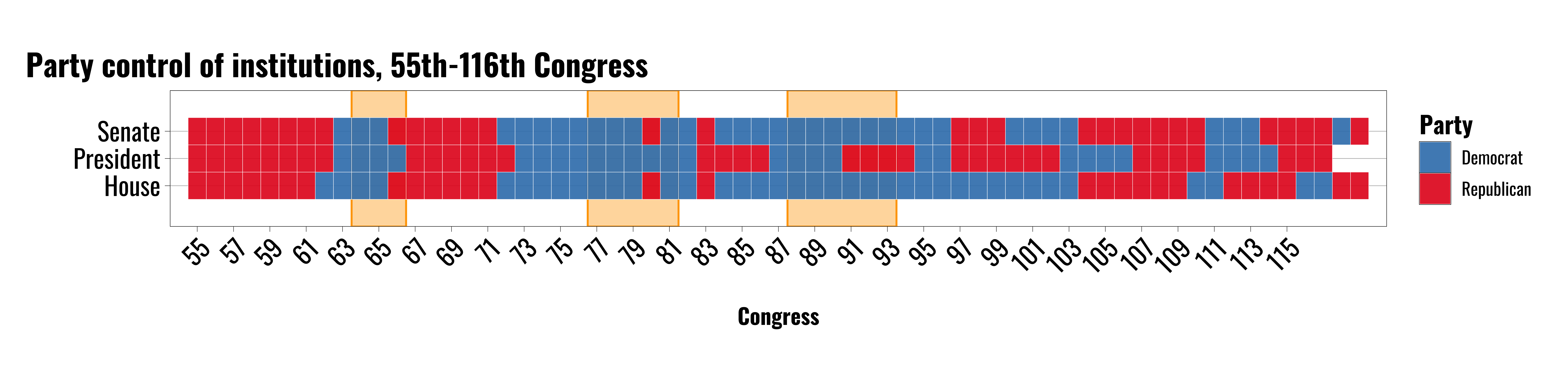
Conflicting institutions

  • Struggle between President and Congress over control of foreign policymaking

  • WWI

  • WWII

  • Post-Vietnam

Institutional Powers

Institutional Powers

The Constitutional Convention did not create a system of separated powers—it created a government of separated institutions sharing powers. —Richard Neustadt

Institutional Powers

Power President Congress
Appointments Presidents appoint executive branch officials Advice and consent of the Senate
International Agreements Negotiate and implement international agreements Advice and consent of the Senate
War and the Use of Force Commander-in-Chief of military forces Raise and support military forces, declare war, oversight

Institutional Powers

Power President Congress
Appointments Presidents appoint executive branch officials Advice and consent of the Senate
International Agreements Negotiate and implement international agreements Advice and consent of the Senate
War and the Use of Force Commander-in-Chief of military forces Raise and support military forces, declare war, oversight

Appointments

Appointments

Appointments in two key areas:

  • Foreign policy bureaucracy

  • Executive Office of the President

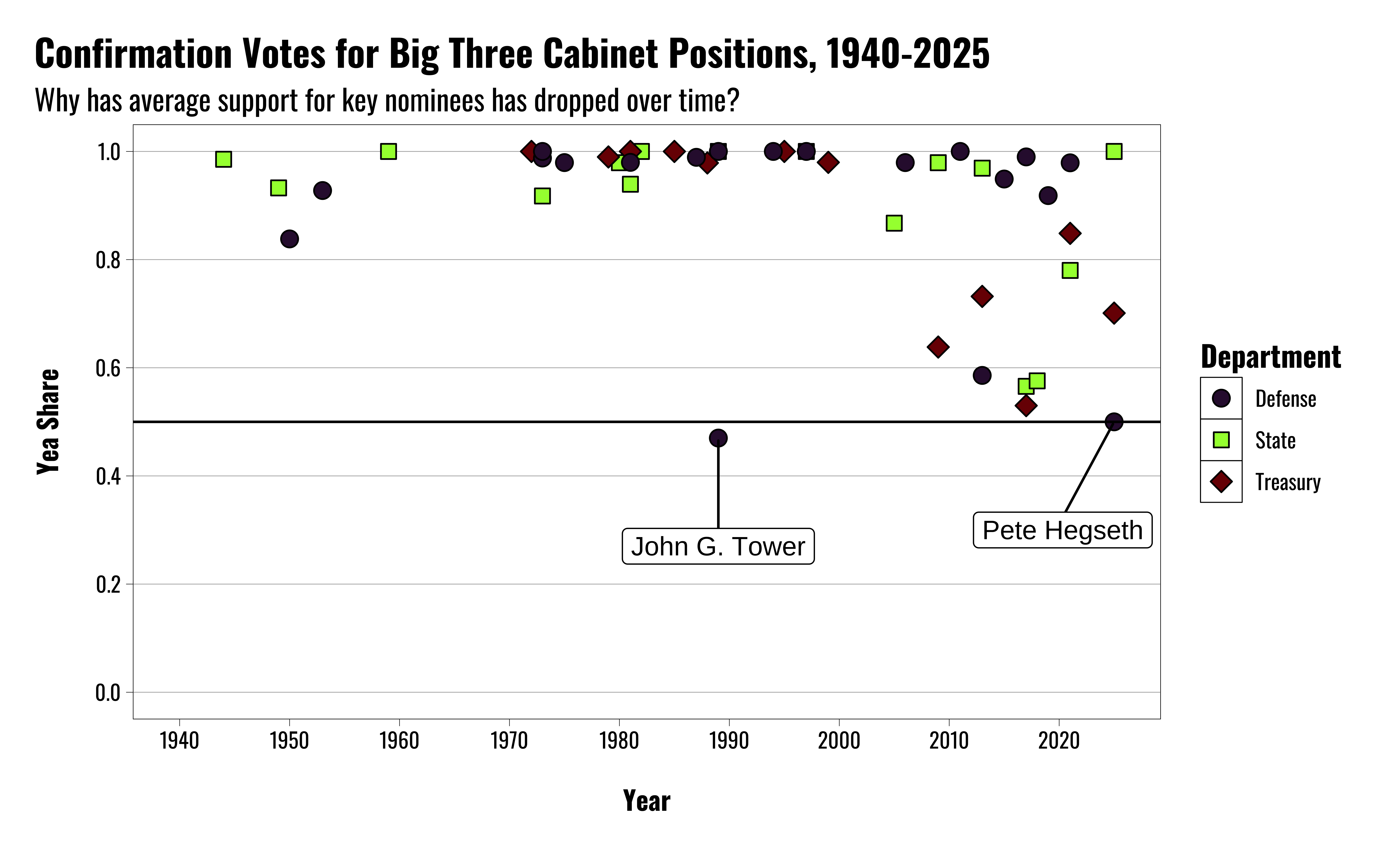
Positions subject to presidential appointment and senate approval
Senate Approval Required No Senate Approval Required
Secretary of State Assistant to the President for National Security Affairs
Secretary of Defense Chief of Staff
Secretary of the Treasury Director of State Department Policy Planning Staff
Director of the Central Intelligence Agency Deputy Director of Central Intelligence Agency

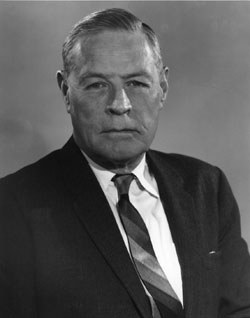
Charles Bohlen

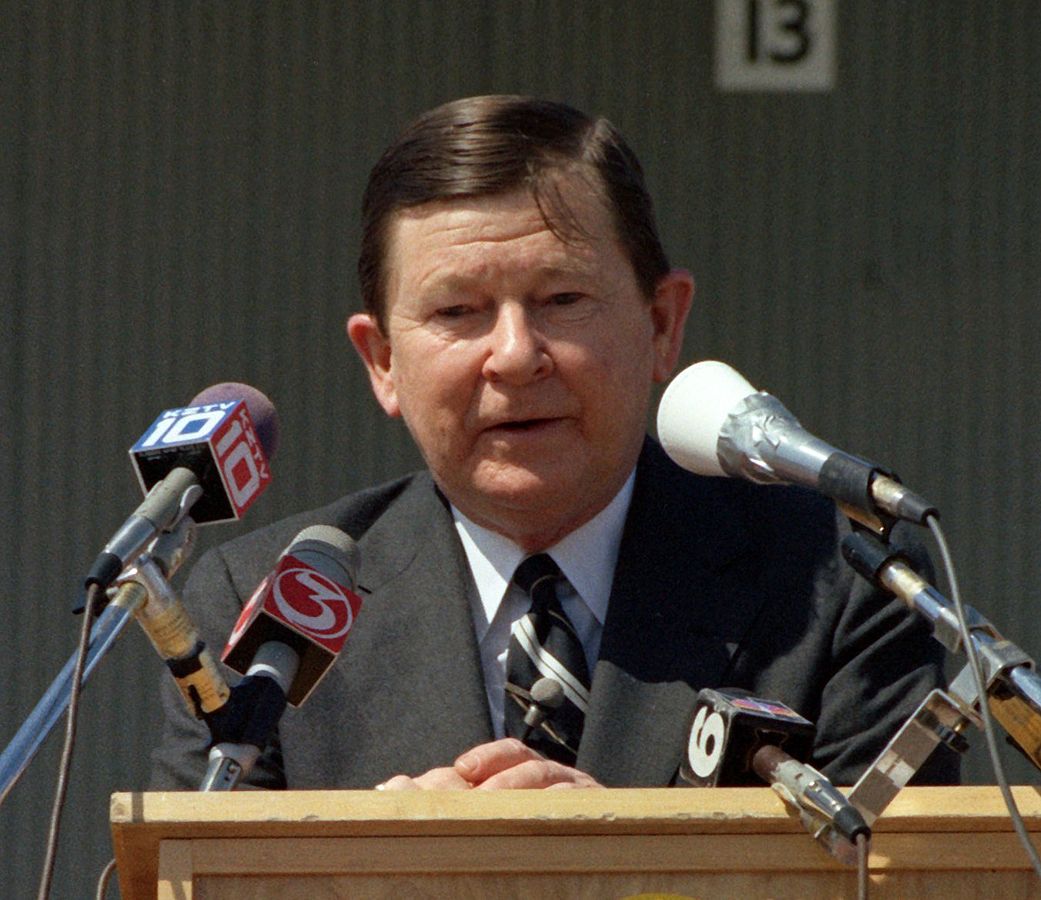
John Tower

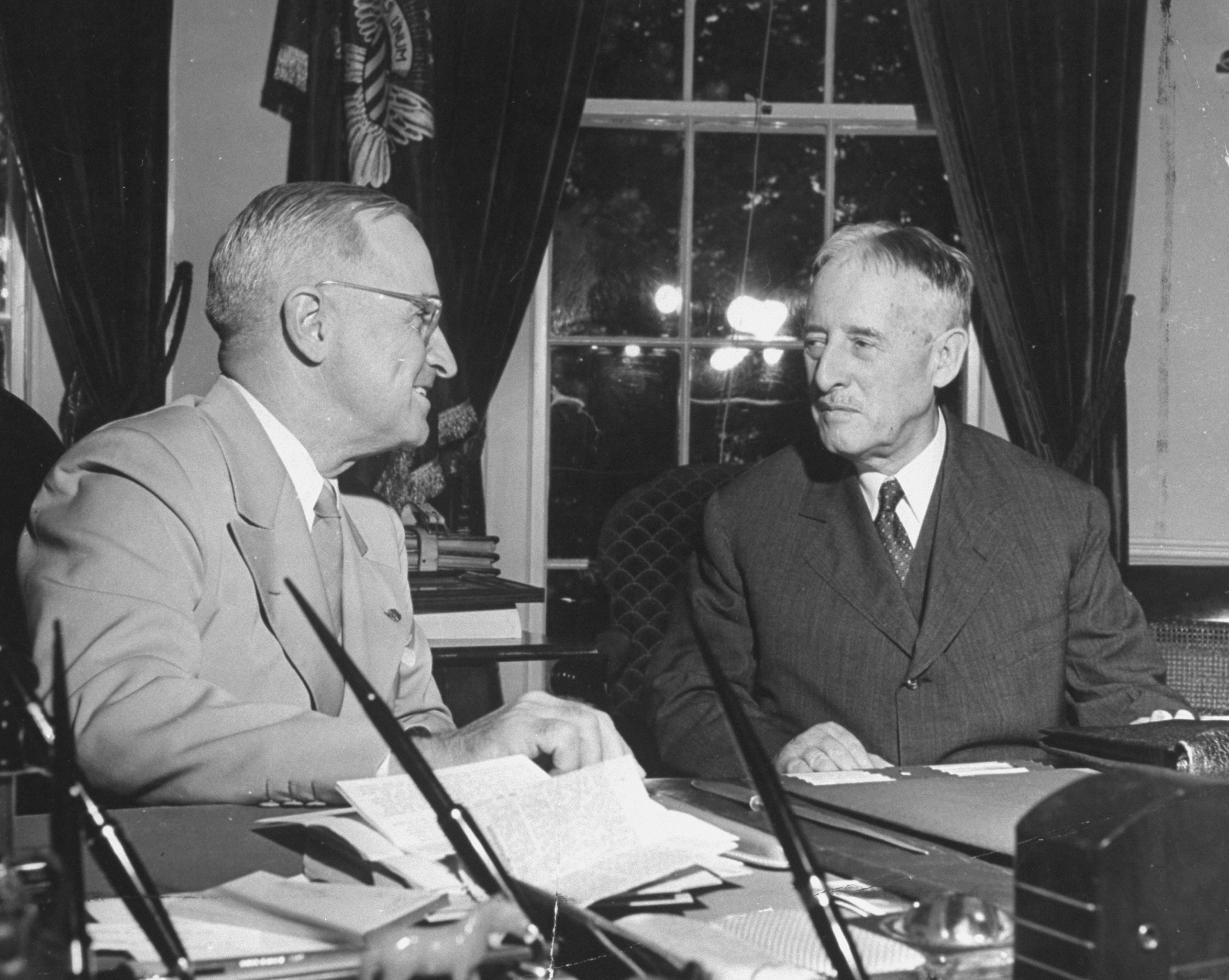
President Harry Truman meets with Secretary of War Henry Stimson

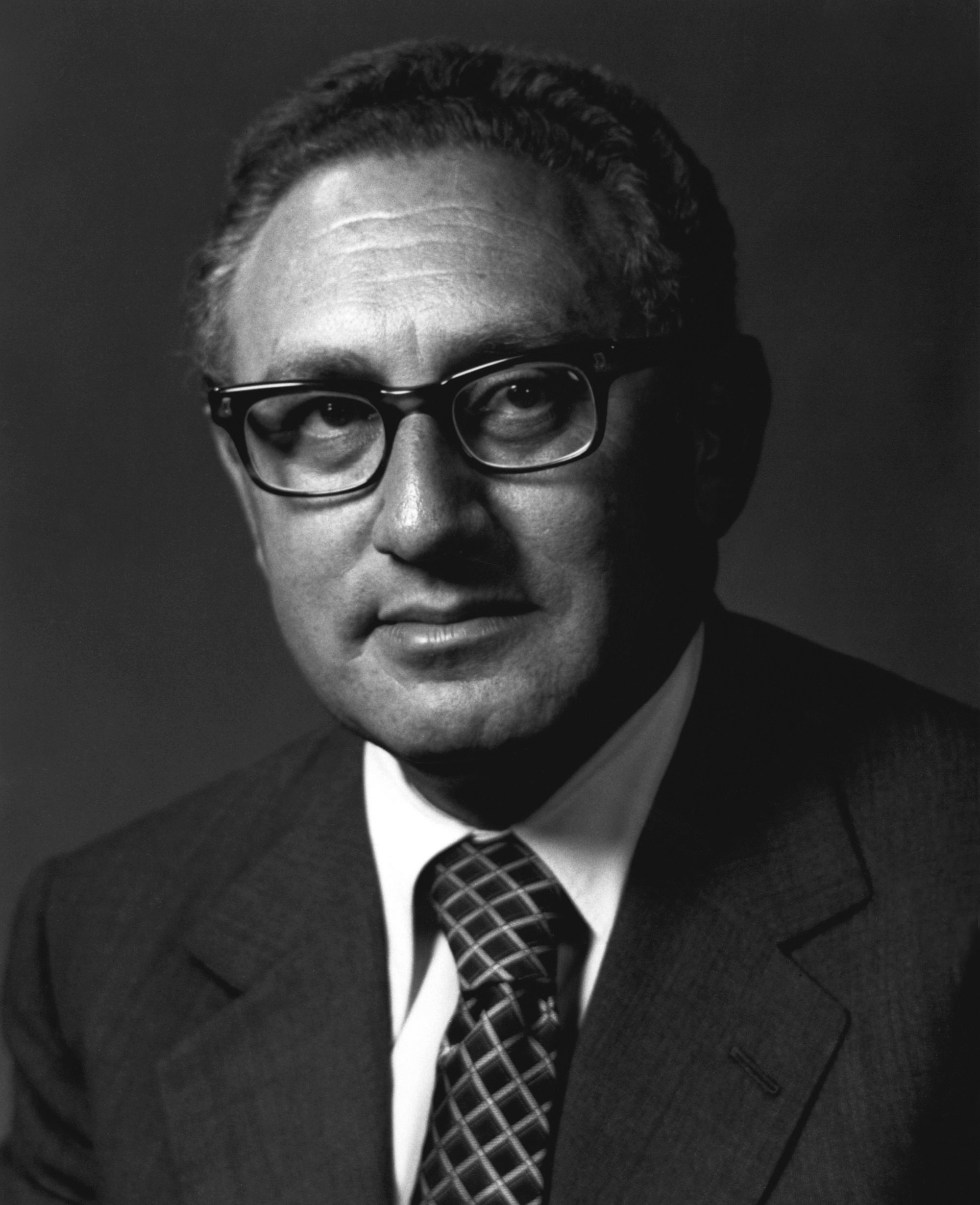
Henry Kissinger

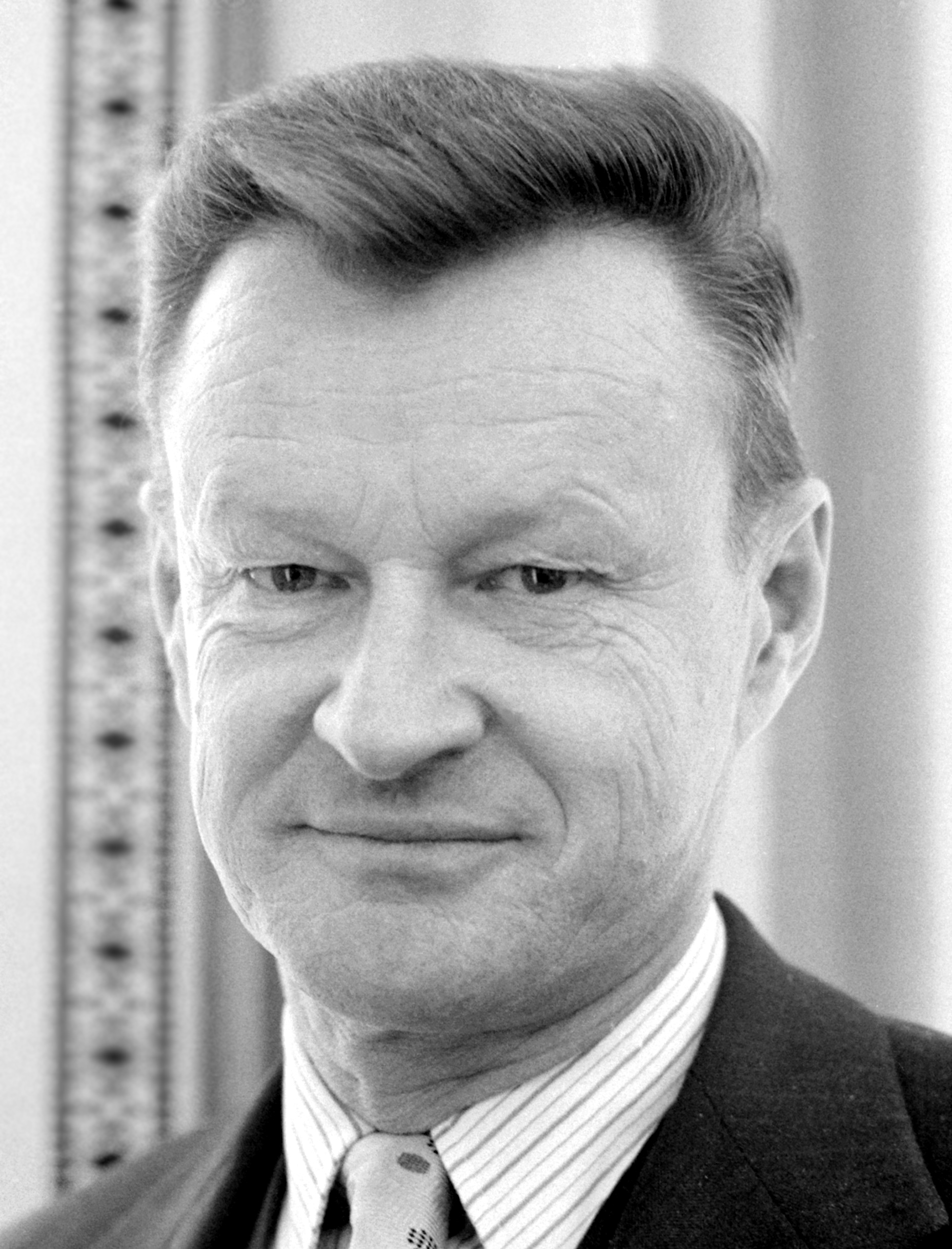
Zbigniew Brzezinski

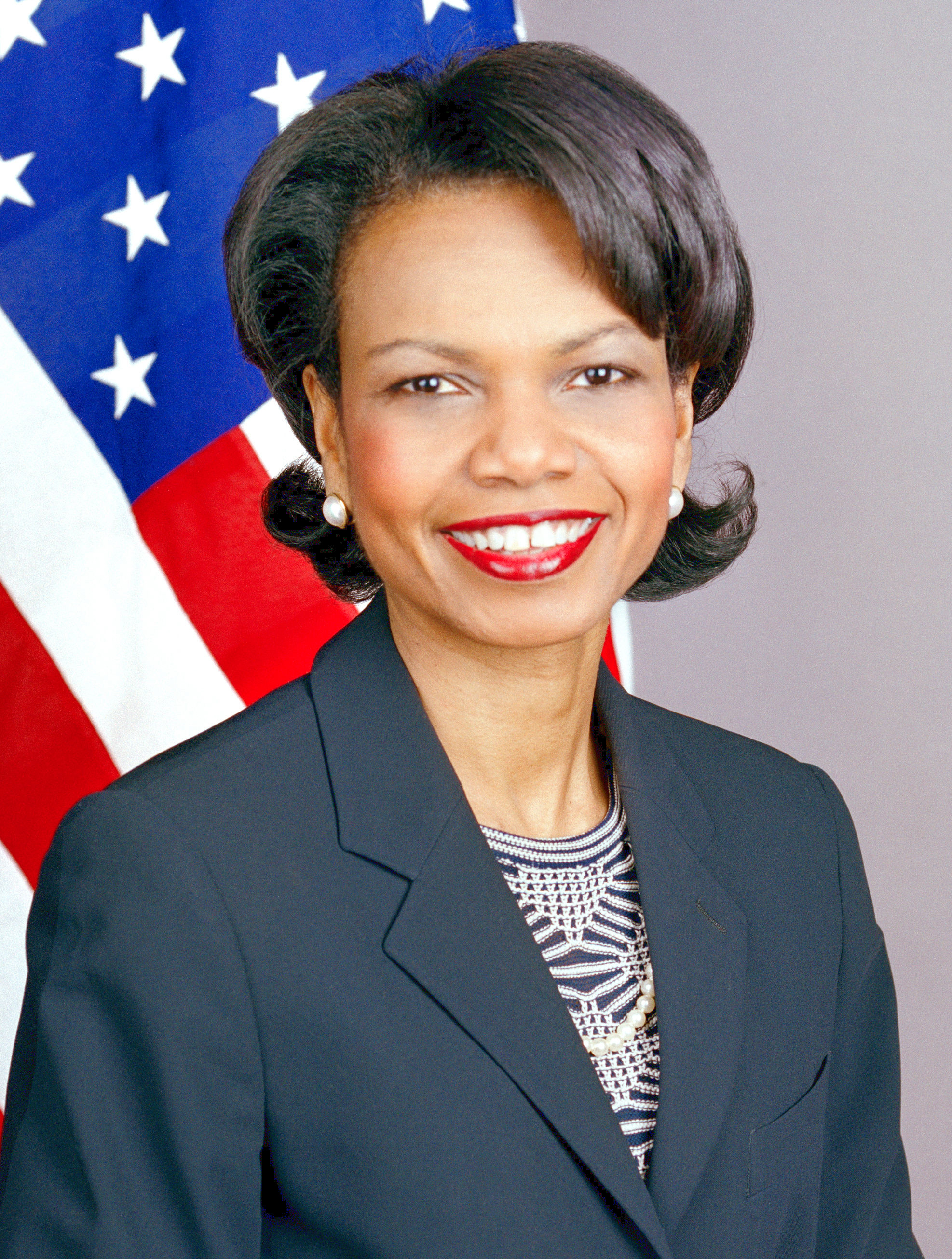
Condoleeza Rice

International Agreements

Institutional Powers

Power President Congress
Appointments Presidents appoint executive branch officials Advice and consent of the Senate
International Agreements Negotiate and implement international agreements Advice and consent of the Senate
War and the Use of Force Commander-in-Chief of military forces Raise and support military forces, declare war, oversight

International Agreements

Two types:

  • Treaties

  • Executive agreements

International Agreements

Treaties

Both Congress and the President play important parts

  • Executive negotiates treaties

  • Two-thirds of senators present must vote in favor

  • President ratifies the treaty (not the Senate)

  • What about the House of Representatives?

International Agreements

Executive Agreements

Similar process, but different mechanics

  • Two key types:

  • “Sole Executive Agreement”

  • “Congressional-executive agreements”

  • Negotiated by the president and/or bureaucratic agents

  • Can be just as binding

International Agreements

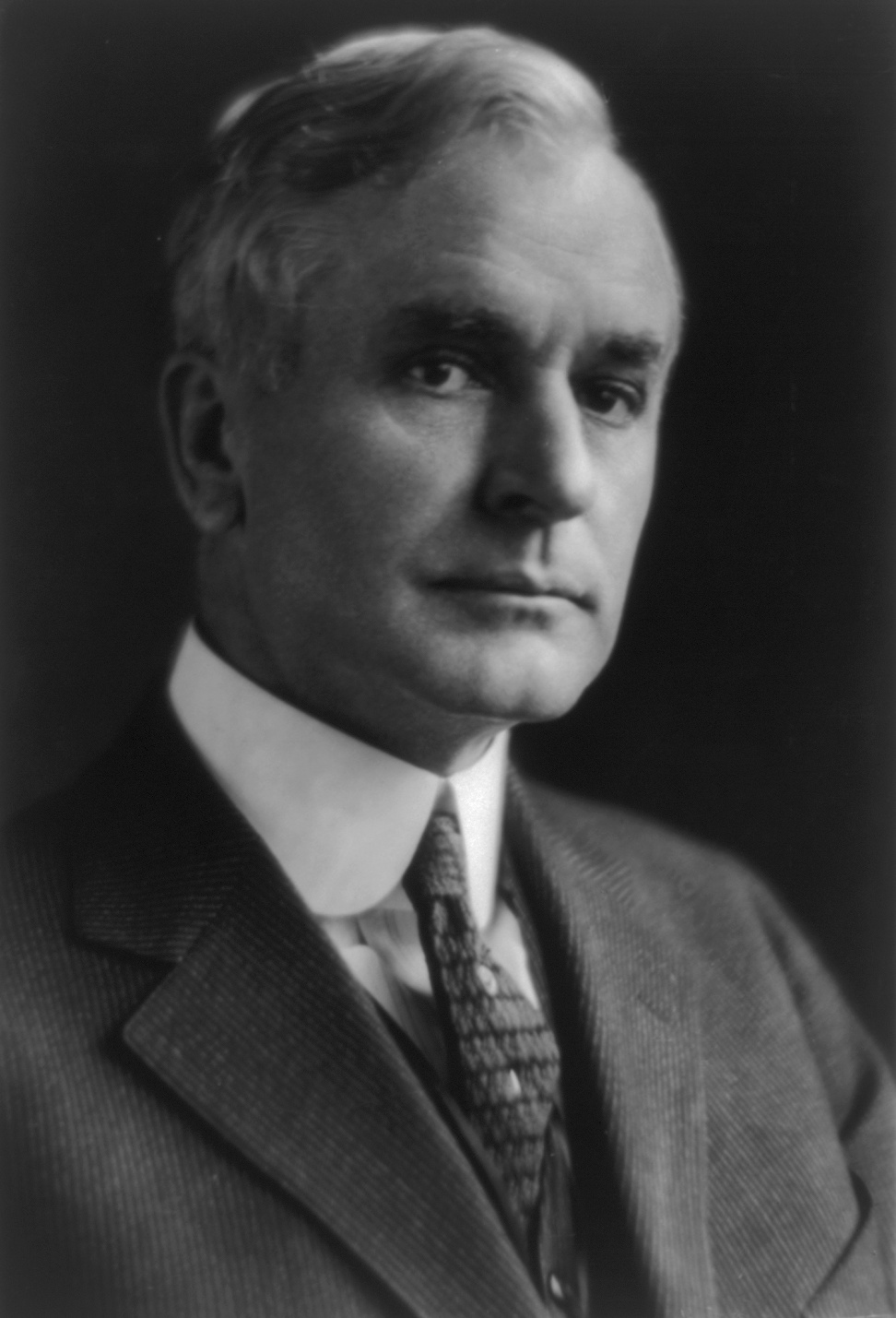
Example: Free trade

  • Reciprocal Trade Agreement Act of 1934

  • Congressional delegation of “fast track” authority

To right: Secretary of State Cordell Hull
International Agreements

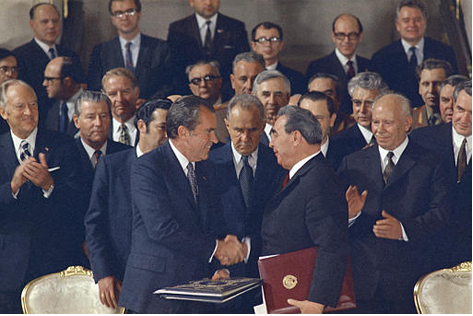
Strategic Arms Limitation Talks (SALT)

  • Anti-Ballistic Missile Treaty (ABM Treaty)

  • Executive agreement limiting nuclear weaponry

To right: President Nixon and Soviet Premier Leonid Brezhnev shaking hands after signing the SALT I agreement.
International Agreements

Other Stuff?

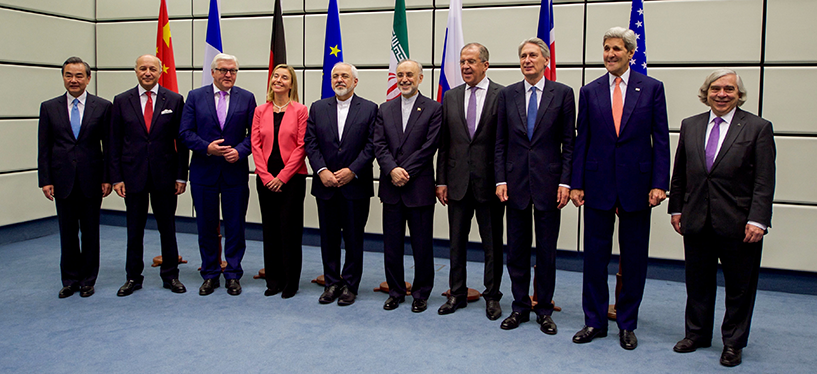
Joint Comprehensive Plan of Action (JCPOA / aka the Iran Nuclear Deal)

  • Not a treaty

  • Also not an executive agreement

  • So what is it?

    • A “political agreement”

    • Not legally binding

War and the Use of Force

War and the Use of Force

Power President Congress
Appointments Presidents appoint executive branch officials Advice and consent of the Senate
International Agreements Negotiate and implement international agreements Advice and consent of the Senate
War and the Use of Force Commander-in-Chief of military forces Raise and support military forces, declare war, oversight

War and the Use of Force

The president enjoys significant advantages

  • Institutional powers

  • First-mover advantage

  • Information asymmetries

  • Technological change

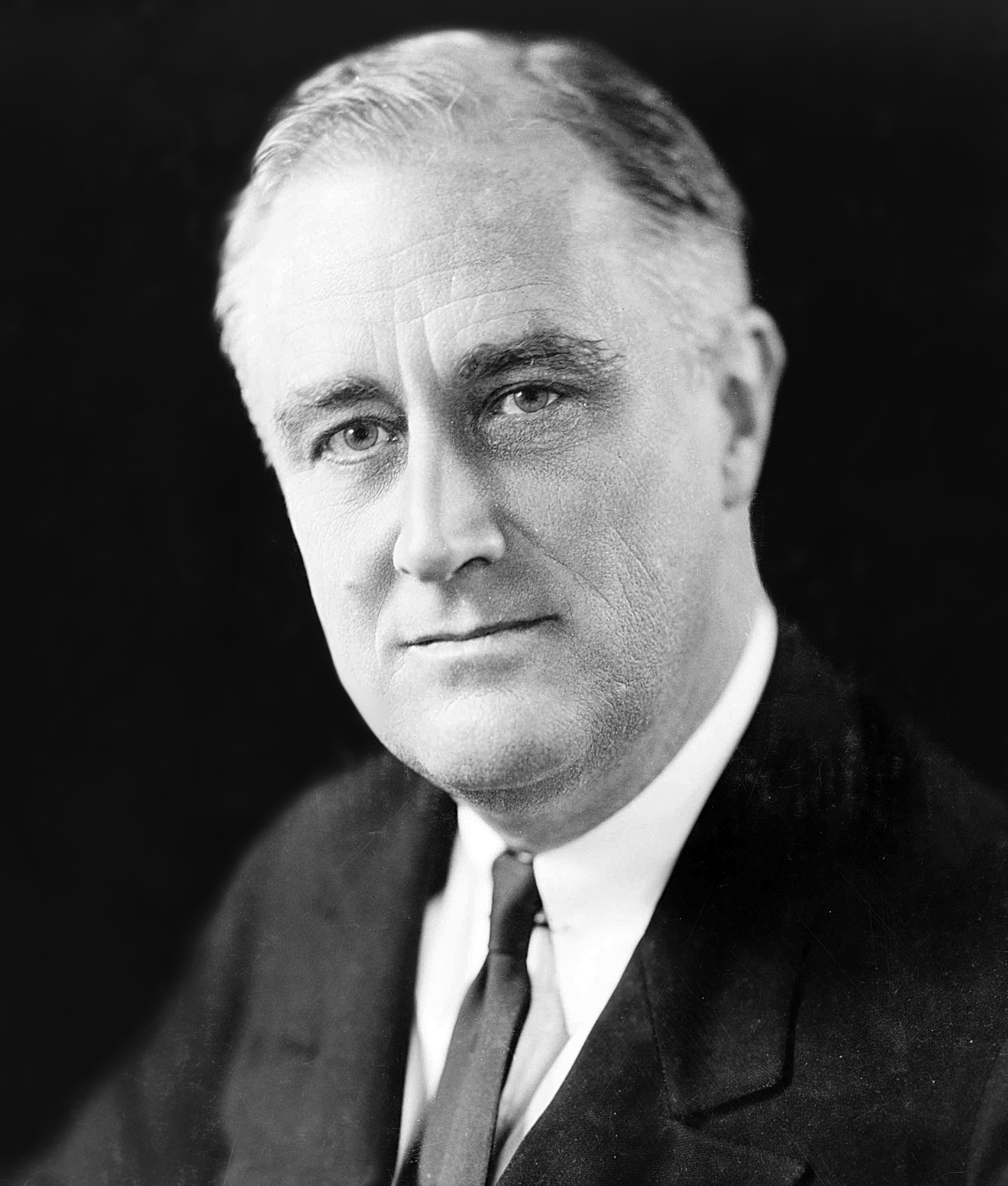
President Franklin Roosevelt

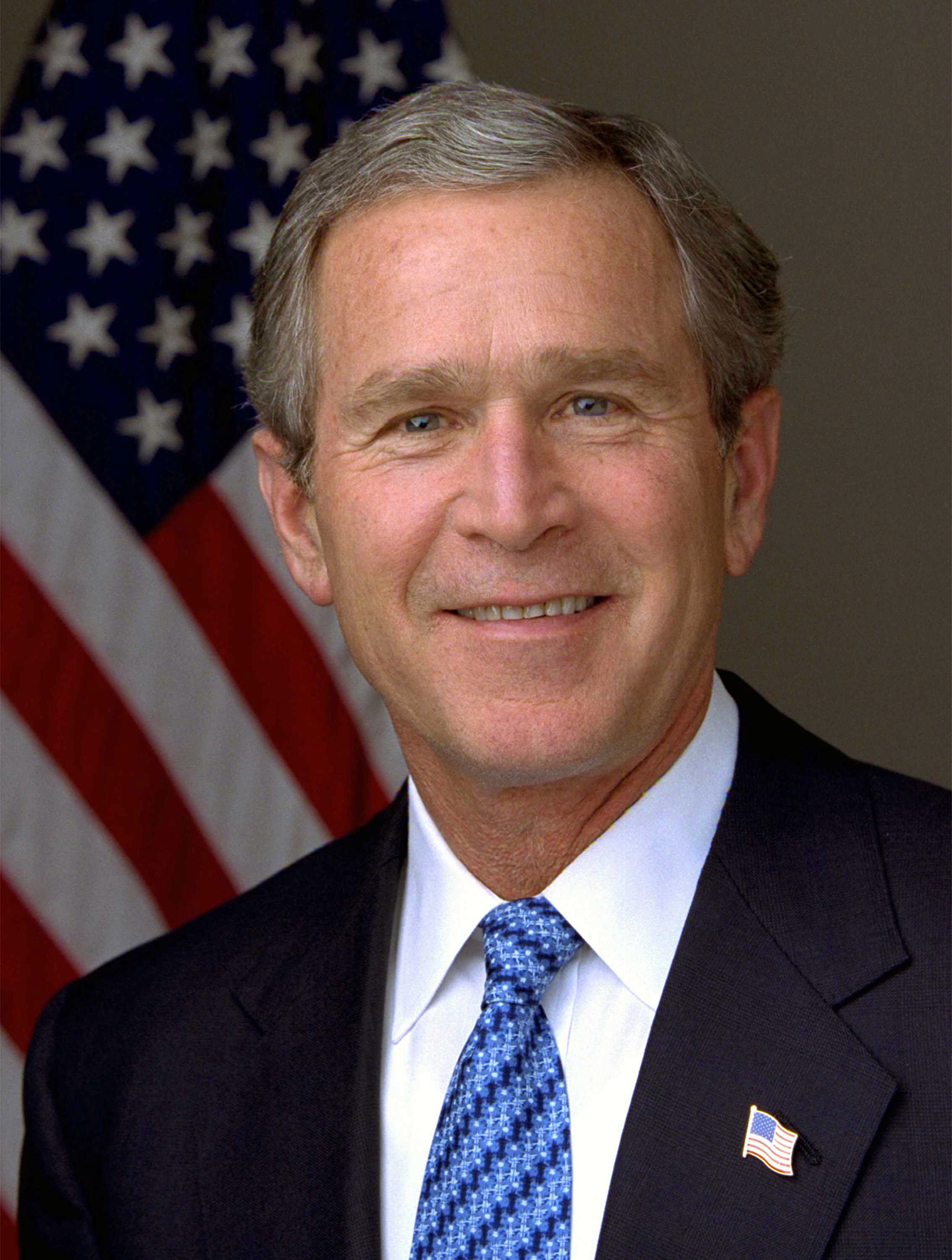
President George W. Bush

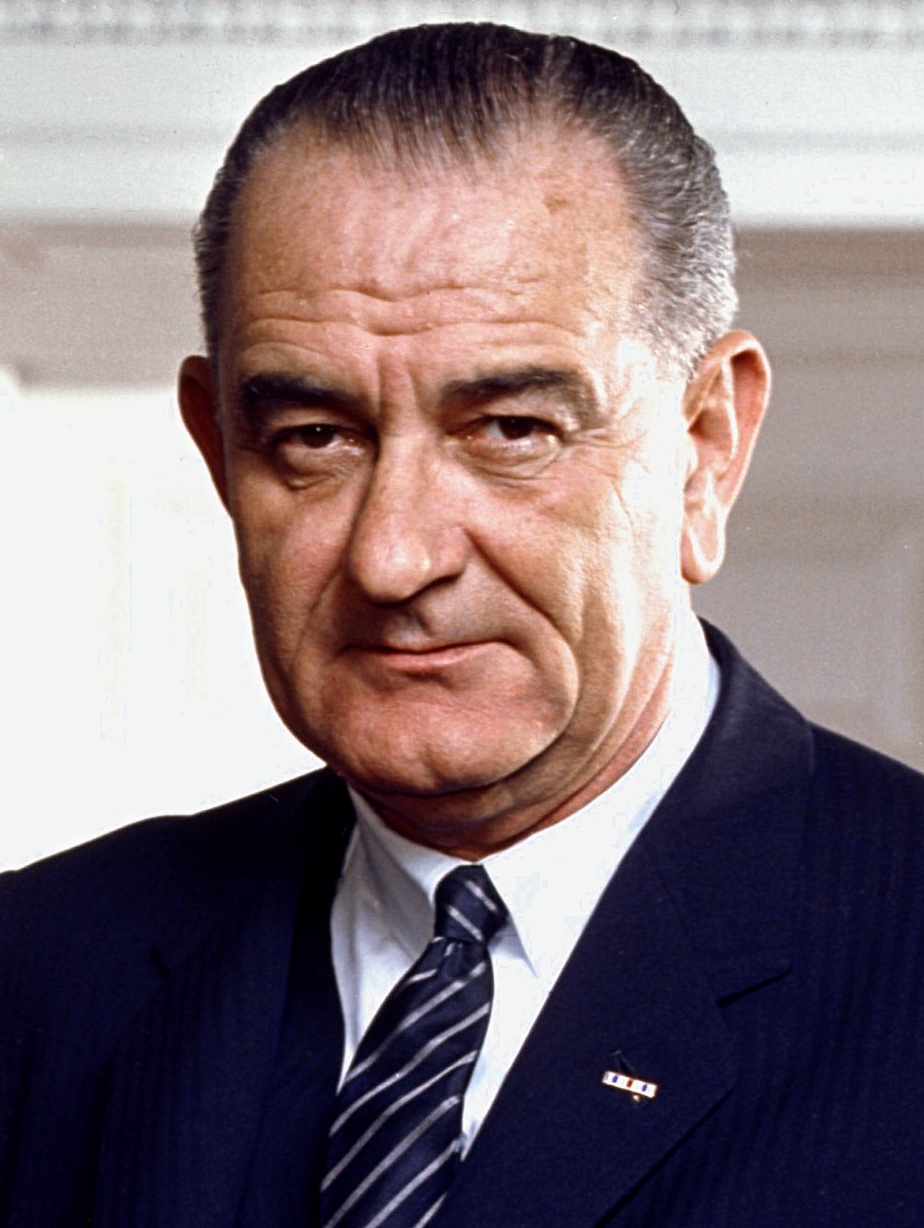
President Lyndon Johnson

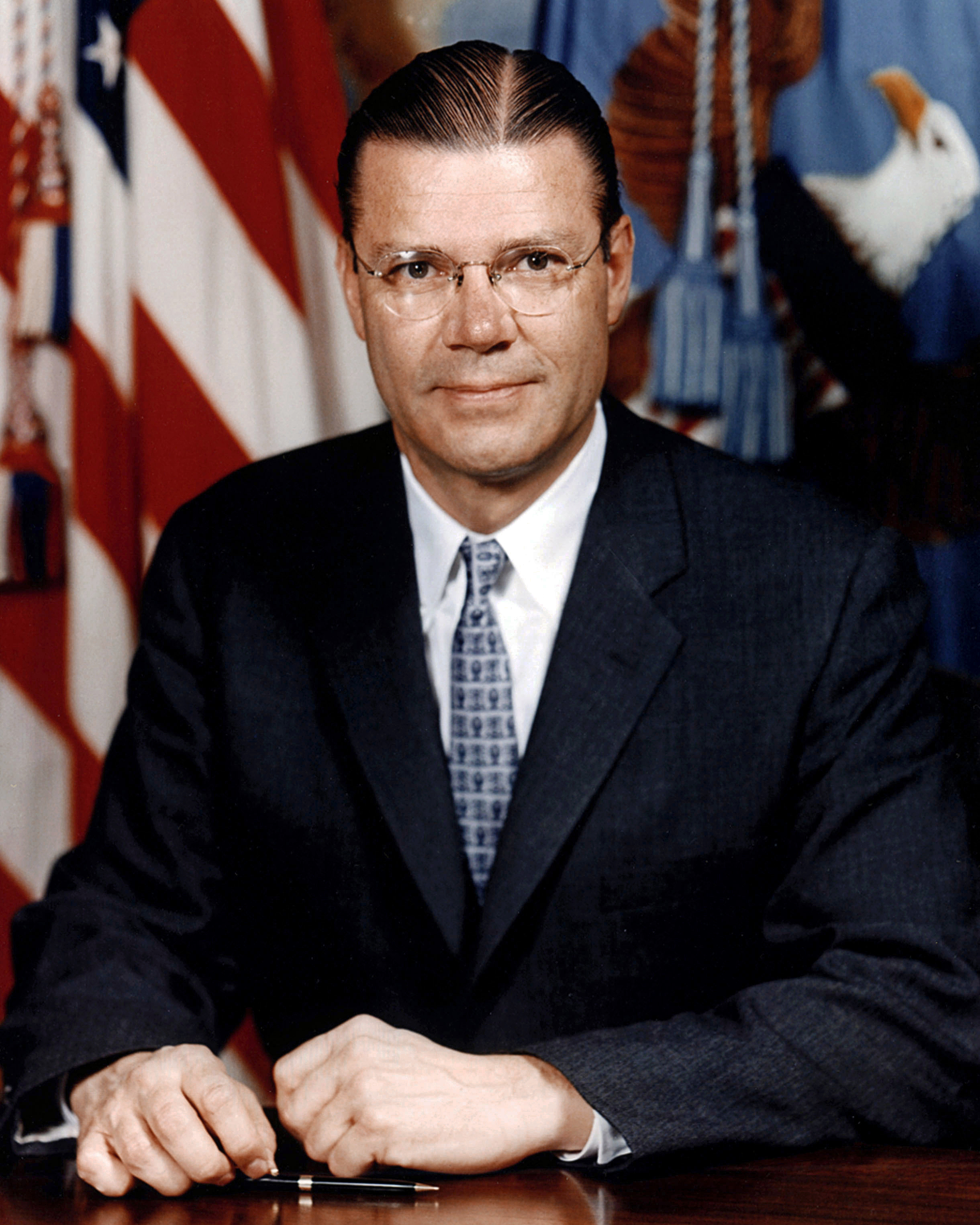
Secretary of Defense Robert McNamara

War and the Use of Force

Authorization for the Use of Military force (2001 AUMF)

  • Drafted in response to September 11 attacks

  • Grants broad authority to the president to use military force

Section 2, Subsection (a): That the President is authorized to use all necessary and appropriate force against those nations, organizations, or persons he determines planned, authorized, committed, or aided the terrorist attacks that occurred on September 11, 2001, or harbored such organizations or persons, in order to prevent any future acts of international terrorism against the United States by such nations, organizations, or persons.

War and the Use of Force

Authorization for the Use of Military Force Against Iraq Resolution of 2002 (2002 AUMF)

  • Expresses Congress’ support of presidential efforts to

    • Enforce UN Security Council resolutions regarding Iraq

    • Pressure UN Security Council to ensure Iraq complies with UN Security Council resolutions

  • Grants broad authority to use military force

  • Notably ties in to the 2001 AUMF and the aim of targeting those “nations, organizations, or persons who planned, authorized, committed, or aided the terrorist attacks that occurred on September 11, 2001”

War and the Use of Force

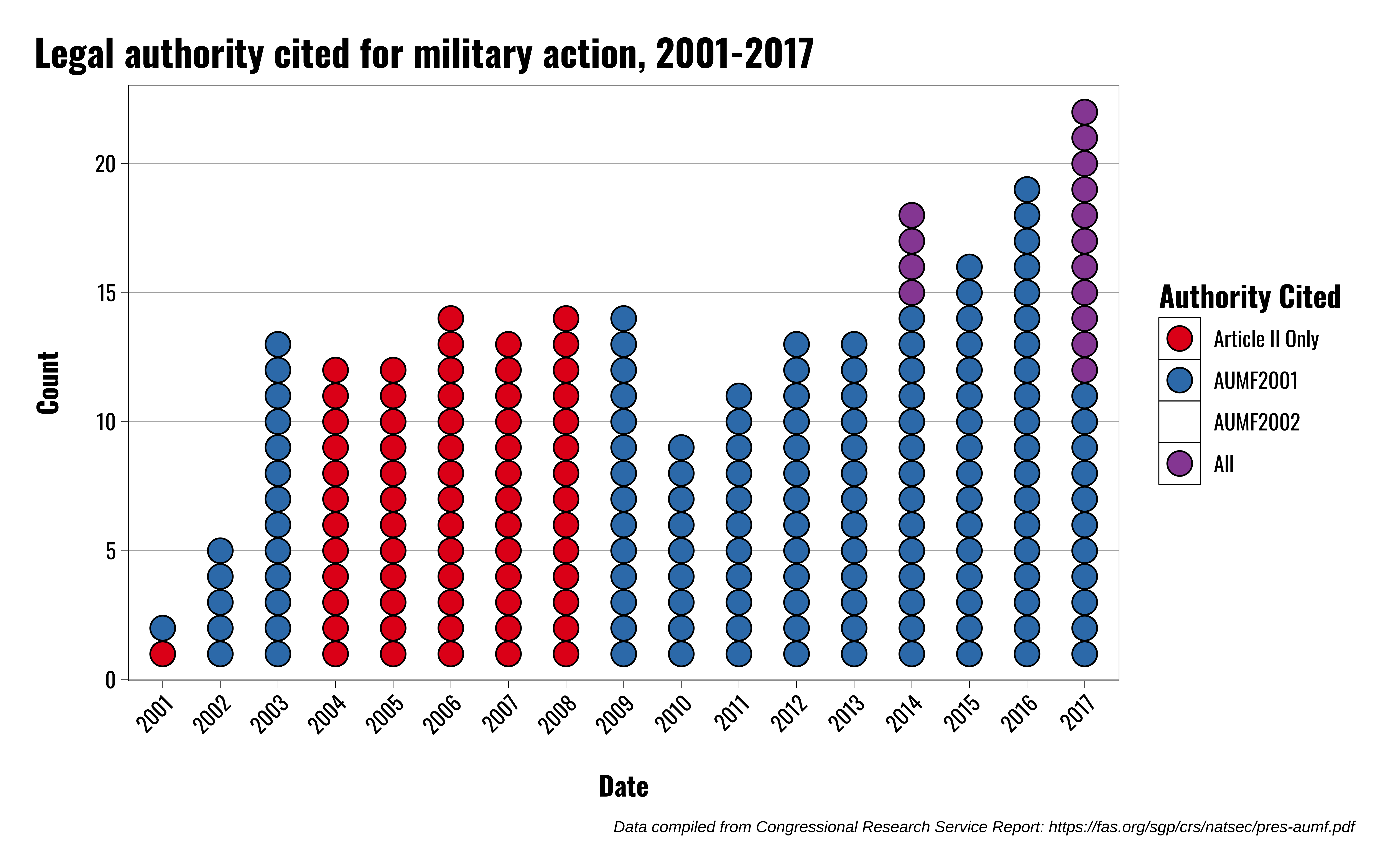
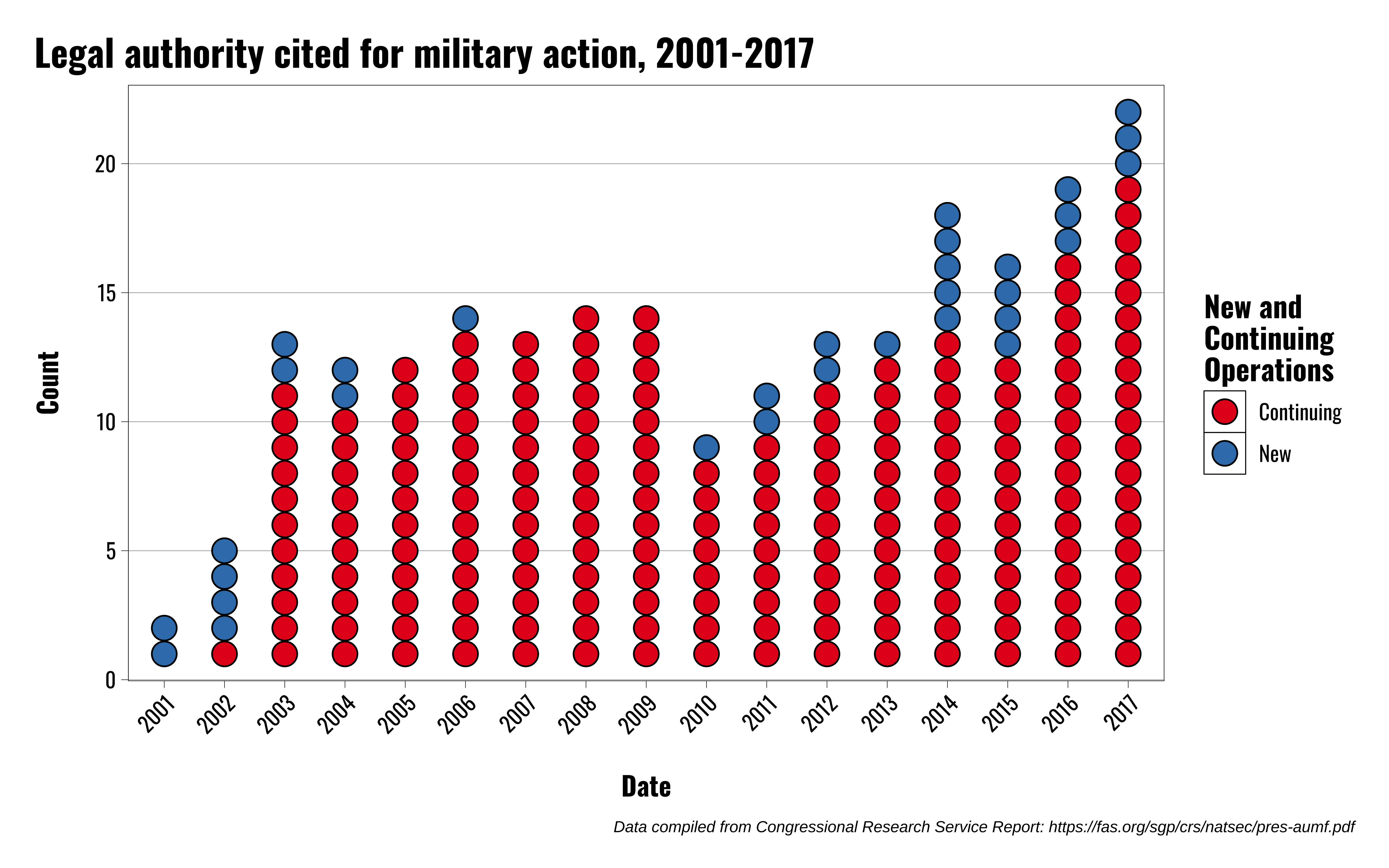
2001 and 2002 AUMFs have been used to justify a wide range of military operations in dozens of countries under three presidents.

Prominent examples include:

  • 2014 operations against ISIS in Iraq and Syria

  • 2016 operations against al-Shabab in Somalia

  • 2019 Killing of Maj. Gen. Qasem Soleimani of Iran’s Quds Force

War and the Use of Force

War Powers Resolution of 1973

  • Regular consulations, “in every possible instance,” with Congress prior to deploying troops

  • Report to Congress within 48 hours of troop deployment explaining cause and justification for deployment

  • Time limits on deployment of US troops

  • Empowers Congress to end US troop deployments abroad by concurrent resolution

War and the Use of Force

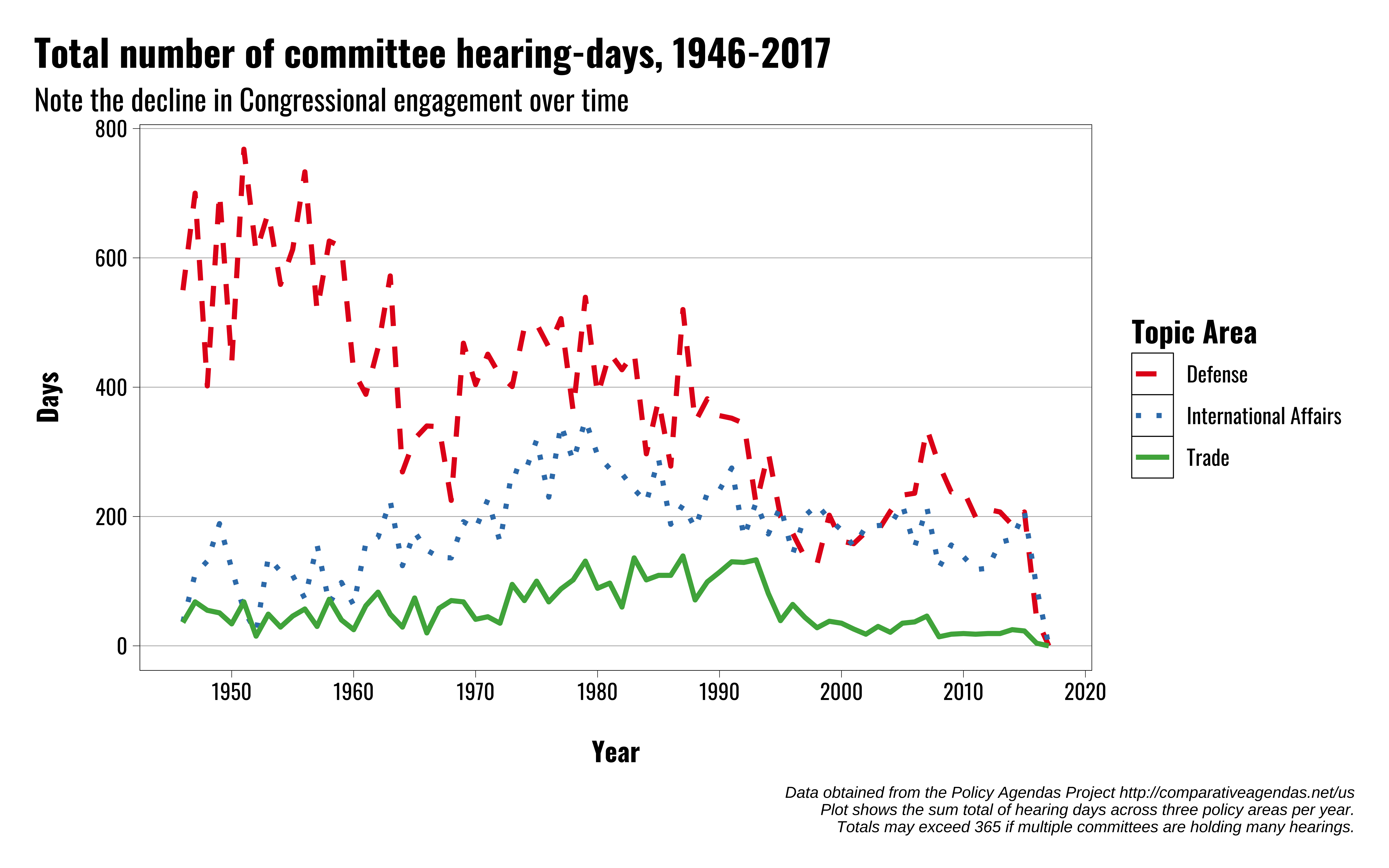
The President enjoys several advantages, but what about Congress?

  • Tenure

  • Expertise

  • Legislative and budgetary powers

  • Oversight powers

  • Approval of appointments

  • Public outreach

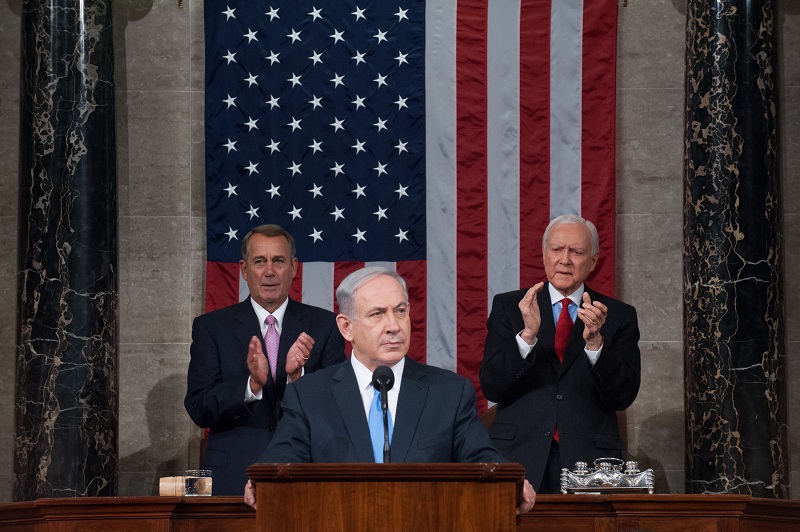
Israeli Prime Minister Benjamin Netanyahu addresses a joint session of Congress, March 3, 2015.

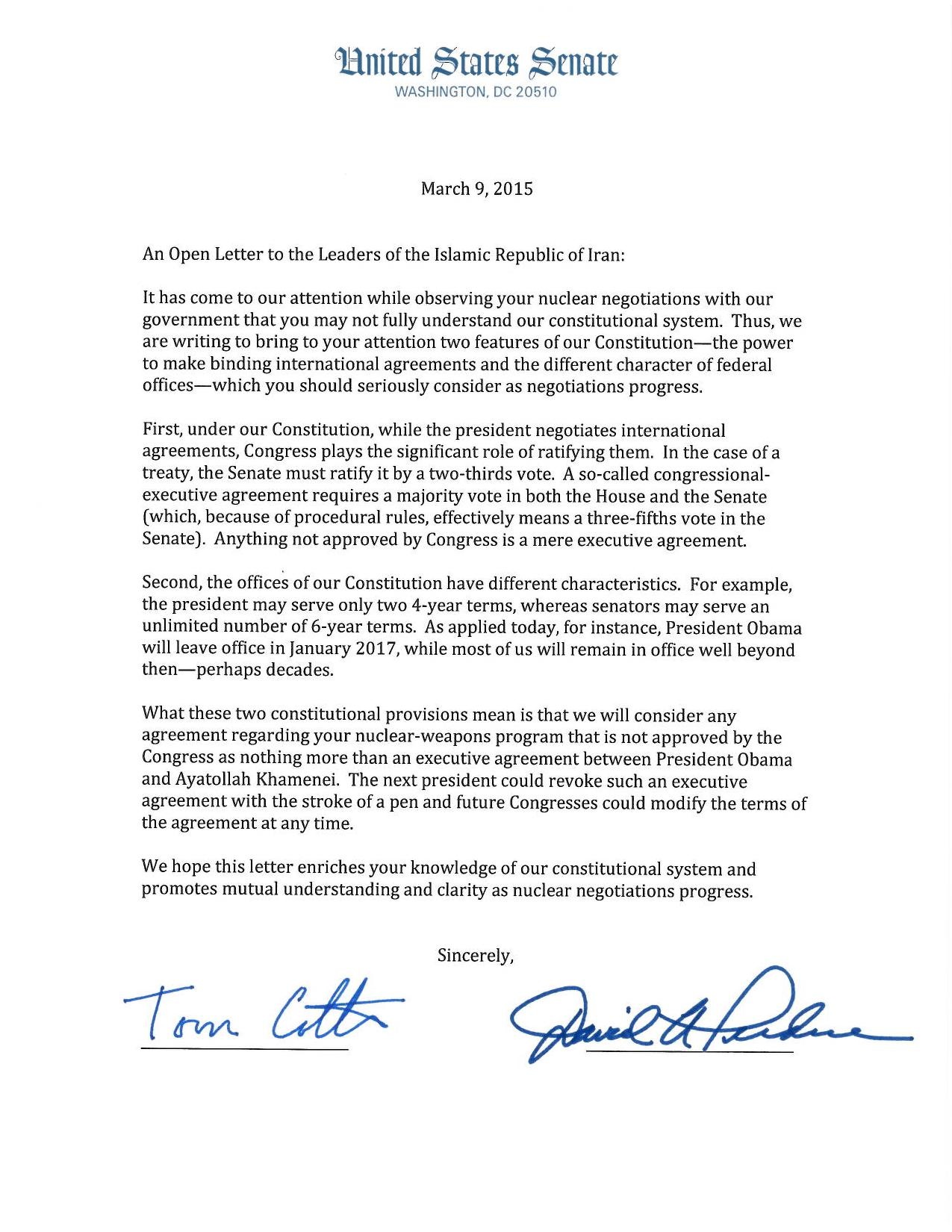
An open letter from Republican senators to the Iranian government regarding negotiations over Iran’s nuclear program from 2015.