US Foreign Policy

Human Rights Issues

Michael Flynn

Professor

Department of Political Science

011C Calvin Hall

meflynn@ksu.edu

2025-12-03

Key Questions

  1. How have theory and history shaped the place of human rights in US foreign policy?

  2. How do human rights issues intersect with other policy areas?

  3. What are the difficulties associated with humanitarian intervention?

  4. What are some of the pressing human rights issue in the world today?

Historical Overview

Historical Overview

Origins of US human rights policy

  • Classical liberalism

  • Abolitionist movement

  • Laws of war

  • Women’s rights movement

Historical Overview

United Nations Universal Declaration of Human Rights

  • Provides an explicit listing of human rights to which all human beings are entitled

  • Also reflects ideas and rights with origins in a wide range of cultural and religious traditions

To right: Eleanor Roosevelt, Chair of the UN Human Rights Commission
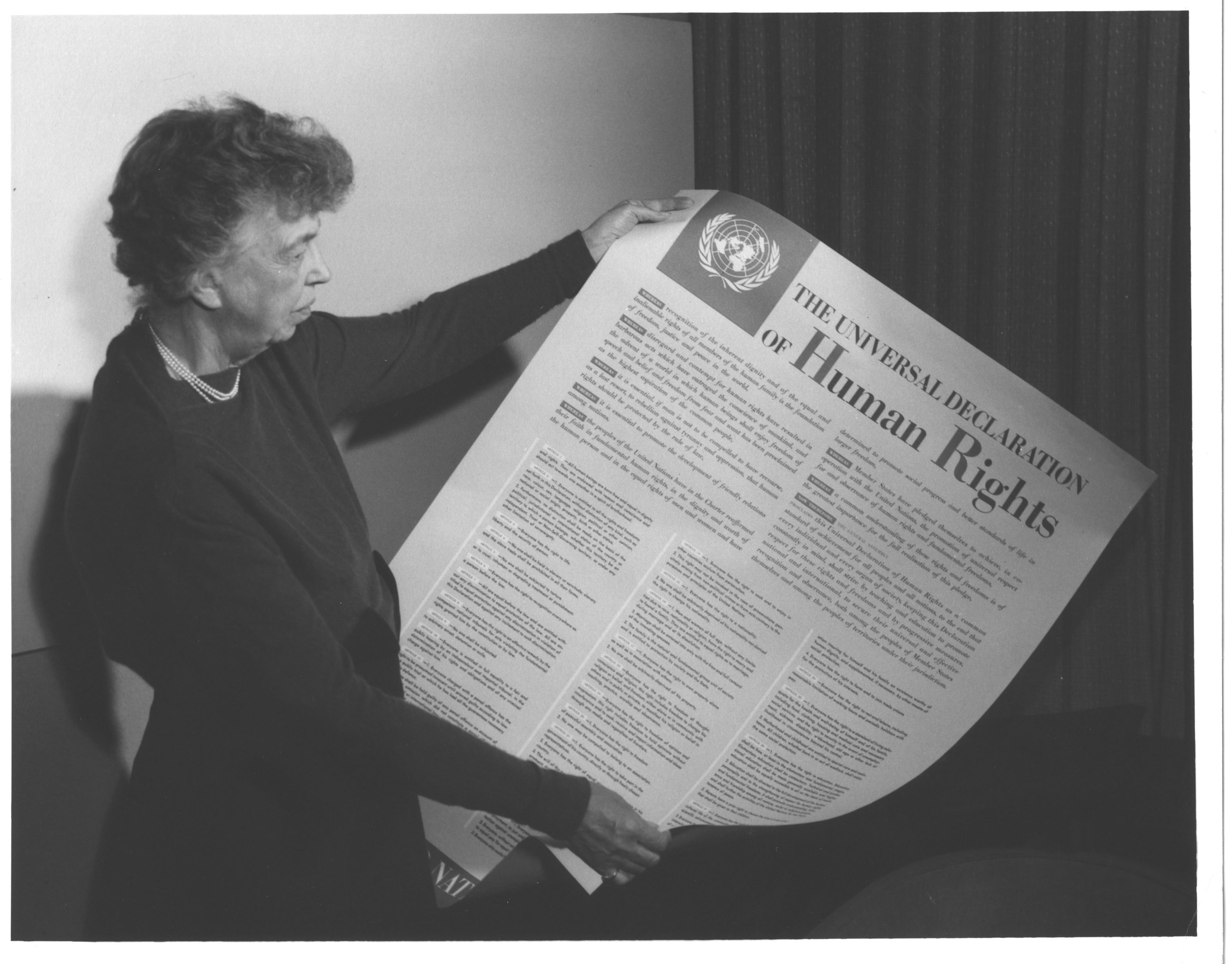
Eleanor Roosevelt

Historical Overview

  1. Life, liberty, and security of person
  2. No slavery or forced servitude
  3. No torture, cruel and unusual punishment, inhuman or degrading treatment
  4. Recognition as a person before the law
  5. Equal protection before the law
  6. Right to effective remedy by national tribunals
  7. No arbitrary arrest or punishment
  8. Fair and public hearings by an independent and impartial tribunal
  9. Presumed innocence until guilt is proven
  10. Protection from arbitrary interference in an individual’s private, family, or home life, and in personal correspondence
  11. Freedom of movement, both within and between countries
  12. Freedom from persecution and access to asylum
  13. Right to a nationality and to change nationality
  14. Freedom of consensual marriage and to raise a family
  15. Right to own property
  1. Freedom of thought, conscience, and religion
  2. Freedom of opinion and expression
  3. Freedom of peaceful assembly and association
  4. Freedom of political participation and assembly
  5. Access to essential economic, social, and cultural rights necessary for individual development and dignity
  6. Right to work, without discrimination, for fair pay, and in favorable conditions
  7. Right to join trade unions
  8. Right to rest, leisure, and limited working hours
  9. Access to basic standards of living, including healthcare, food, clothing, and housing
  10. Right to equally partake in the cultural and scientific life of the community
  11. Right to enjoy a social and international order that facilitates the realization of these rights
  12. Limitations on these rights only to the extent that they are necessary to secure the ability of others to enjoy their rights
  13. Nothing in the UNDHR will be interpreted as a license to destroy or harm the freedoms outlined herein

Historical Overview

Human Rights Treaties and Covenants

  • The Universal Declaration is a general list with broad recognition, but it’s not binding in any way

  • Actual implementation and practice is a different story

  • There are several treaties that actually involve countries committing to protect various rights in a substantive way

  • This means ensuring that domestic political institutions and laws align with international human rights law

  • This is where the rubber meets the road

Historical Overview

Overall US Engagement with Human Rights Regime:

  • The US was central to the creation of the modern human rights regime, but doesn’t always embrace it

  • United States has a poor track record when it comes to ratifying human rights treaties

  • US has signed 23 of 49 total agreements

  • It’s only ratified 17 of 49 agreements

US Human Rights Treaty Commitments by Topic Area
Category Total Agreements Total Ratified
International Bill of Human Rights 4 1
Prevention of discrimination on the basis of race, religion, or belief; and protection of minorities 1 1
Women's Rights 5 0
Slavery 4 1
Torture and Ill-treatment 4 1
Children's rights 3 2
Freedom of association 2 0
Employment and forced labor 7 1
Education 1 0
Refugees and asylum 2 0
Nationality and statelessness 2 0
War crimes and genocide 3 1
Law of armed conflict 6 4
Terrorism and human rights 5 5
Total 49 17
Note: Data obtained from University of Minnesota Human Rights Library http://hrlibrary.umn.edu/research/ratification-USA.html

Institutionalizing Human Rights

Institutionalizing Human Rights

Domestic roadblocks to human rights

  • US is championing international human rights, but there are domestic roadblocks

  • Much of this effort conflicts with treatment of minority Americans at home

  • Segregation at home is threatened by international institutions that can enforce human rights agreements

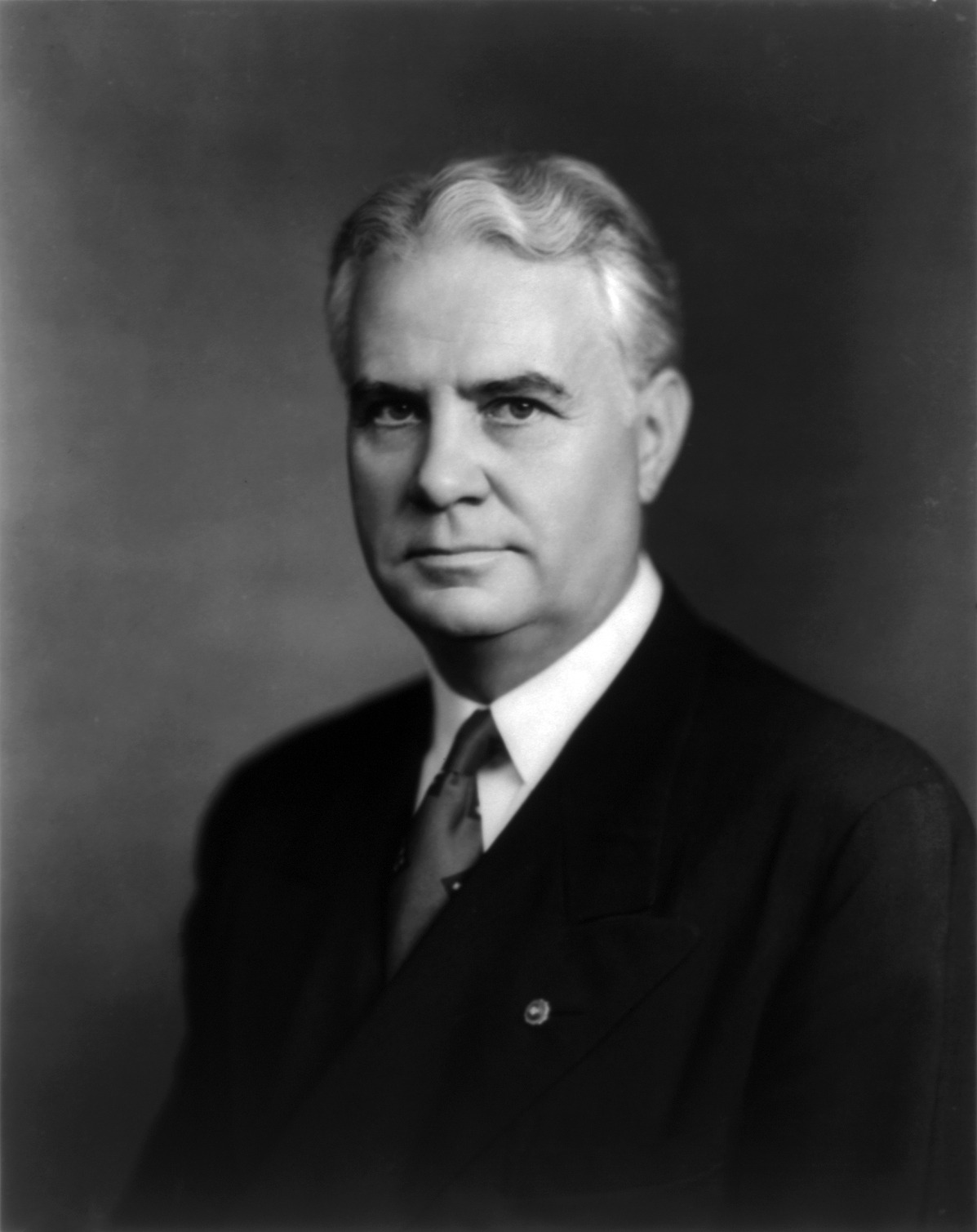
To right: James Byrnes, Secretary of State 1945-1947
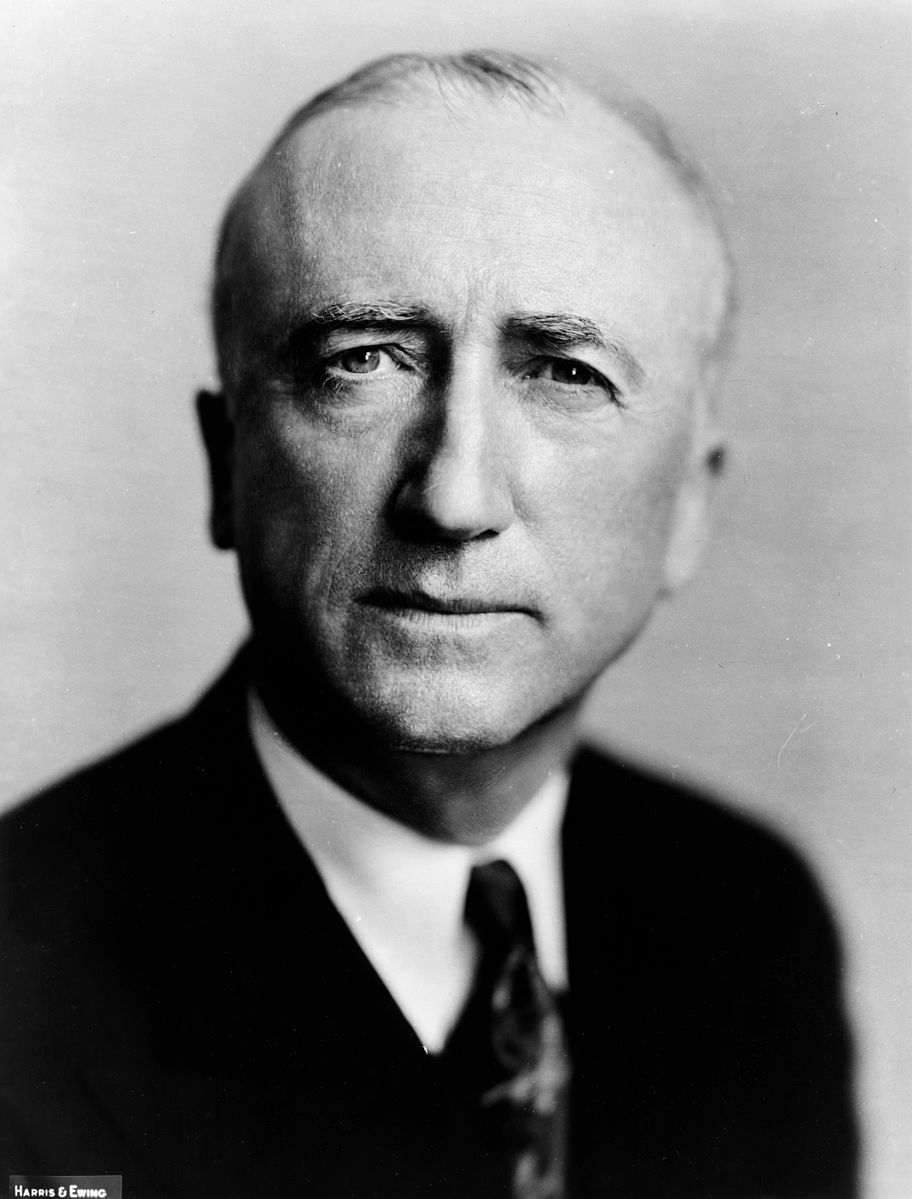
James Byrnes

Institutionalizing Human Rights

Bricker Amendment

  • Really a series of amendments

  • First, introduced by Senator John Bricker (R-OH)

  • Two key parts

    • No treaties can conflict with the Constitution (Duh)
    • Strips the president of the power to negotiate executive agreements (Oh…)
  • To right: Senator John Bricker

John Bricker

Institutionalizing Human Rights

Humphrey-Cranston Amendment (Section 502B of the 1974 Foreign Assistance Act):

Except under extraordinary circumstances no security assistance may be provided to any country the government of which engages in a consistent pattern of gross violations of internationally recognized human rights, including torture or cruel, inhuman or degrading treatment or punishment, prolonged detention without charges, causing the disappearance of persons by the abduction and clandestine detention of those persons or other flagrant denials of the right to life, liberty, and the security of the person.

Institutionalizing Human Rights

Harkin Amendment (Section 116 of the Foreign Assistance Act of 1974):

No assistance may be provided under this part to the government of any country which engages in consistent pattern of gross violations of internationally recognized human rights, including torture or cruel, inhuman, or degrading treatment or punishment, prolonged detention without charges, or other flagrant denial of the right to life, liberty, and the security of person, unless such assistance will directly benefit the needy people in such country.”

Institutionalizing Human Rights

Assistant Secretary of State for Human Rights and Humanitarian Affairs

  • Position created in 1976

  • Raised profile of human rights issues in State Department

  • Began practice of drafting annual country reports on human rights performance

To right: James M. Wilson, first Assistant Secretary of State for Human Rights and Humanitarian Affairs
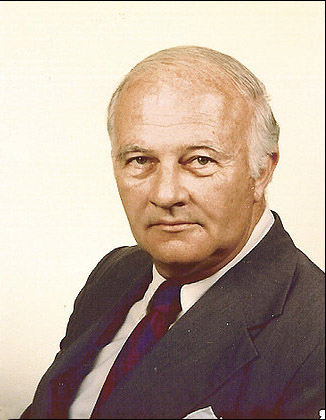
Institutionalizing Human Rights

Undersecretary of State for Civilian Security, Democracy, and Human Rights

  • Position created in 2012

  • Replaced Undersecretary for Global Affairs and Democracy

  • First elevation of human rights in State Department since 1976

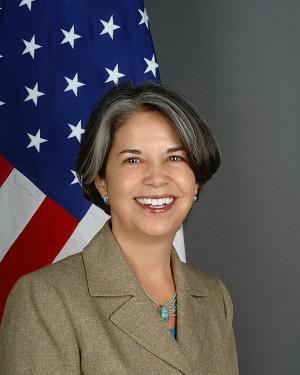
To right: Maria Otero, first Undersecretary of State for Civilian Security, Democracy, and Human Rights
Current Issues

Current Issues

The US is routinely cited for lots of different issues, but some of the most common and/or big ones that pertain to foreign policy are:

  • The War on Terror
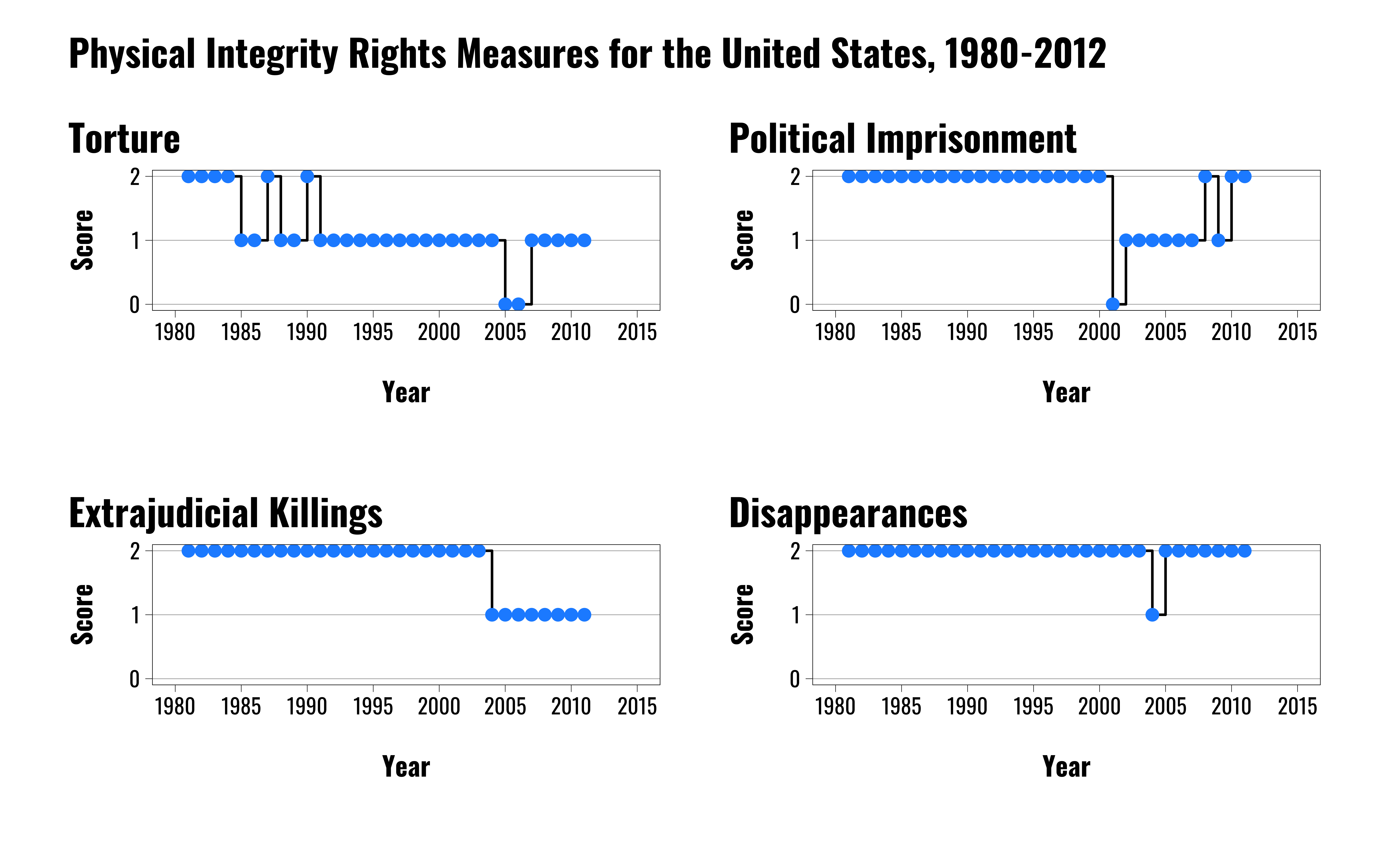
    • Torture
    • Extrajudicial Killings
    • Extraordinary rendition program
    • Drone strikes
  • Military interventions and Responsibility to Protect
  • Security assistance to allies and proxies
  • Drug Trafficking
  • Migrant communities
    • Refugees and asylum seekers
    • Family separations

Human Rights and the War on Terror

Major issues:

  • Torture of individuals suspected of, or linked to, terrorist activity

  • Indefinite imprisonment of suspects in Guantanamo Bay, Cuba

  • CIA black sites and rendition program

  • Drone strikes and civilian casualties

Human Rights and the War on Terror

Anwar al-Awlaki

  • A prominent leader of al-Qaeda forces in Yemen

  • Assassinated by a US drone strike in Yemen on September 30, 2011

  • He was an American-born US citizen

  • So was his 16 year old son, who was killed by a drone strike two weeks later

  • Raises issues of due process and the boundaries between citizens, civilians, and enemy combatants

Human Rights and Military Intervention

Responsibility to Protect (R2P):

  • Calls for other nation states to ensure fundamental human rights are respected around the world

  • Fundamental question: Can military intervention stop human rights abuses and/or improve conditions on the ground?

  • The results aren’t great

  • Military intervention can worsen human rights abuses

  • Post-conflict reconstruction is really, really complicated

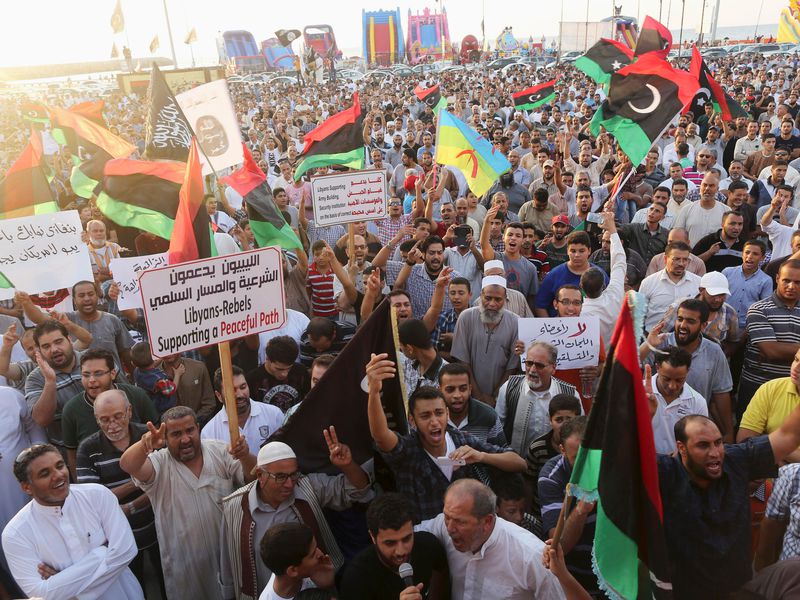
To right: August 2014 protests in Libya after Libyan Parliament voted to request UN intervention, three years after the NATO invervention that toppled the Gaddafi regime.
Human Rights and Security Assistance
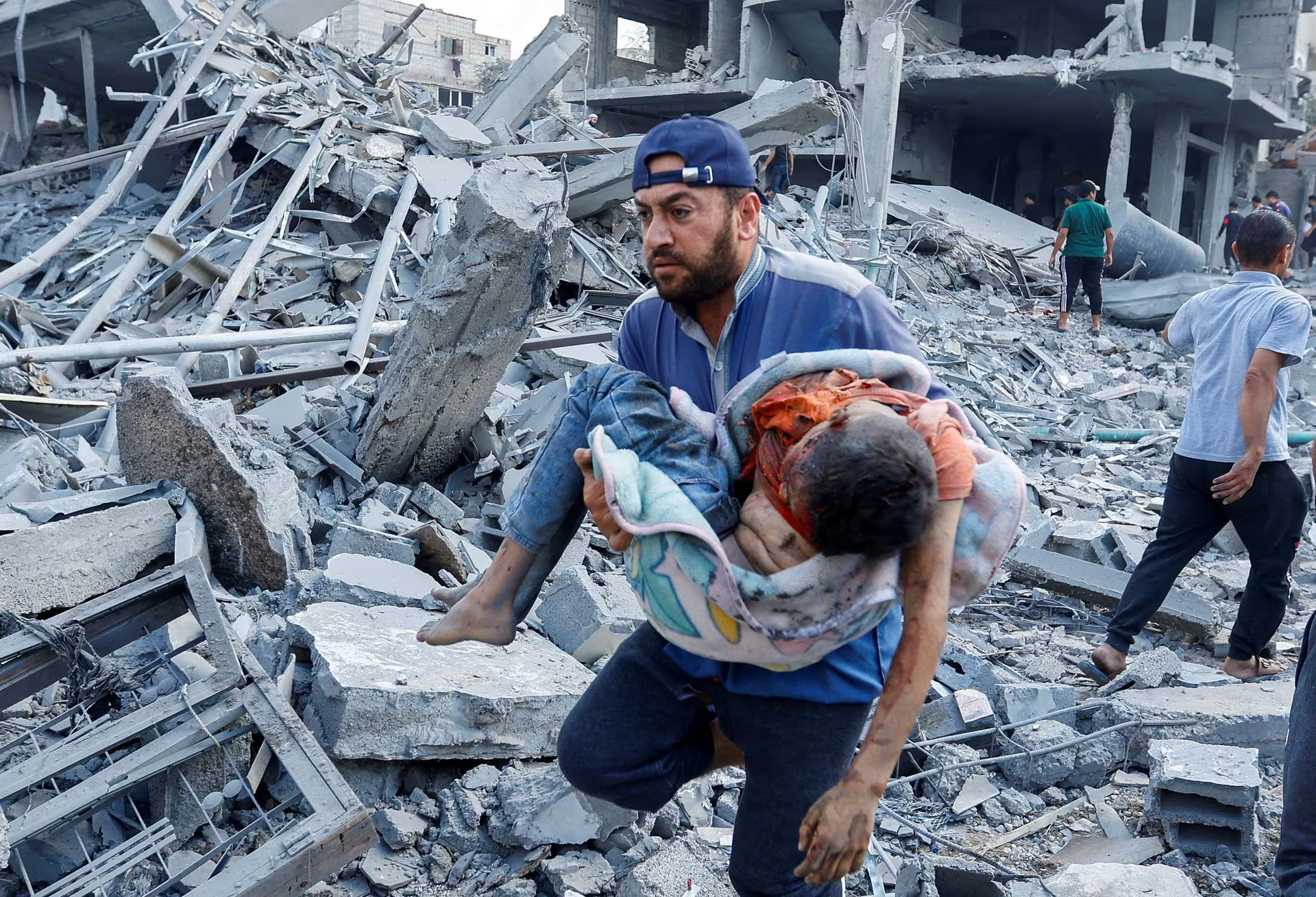
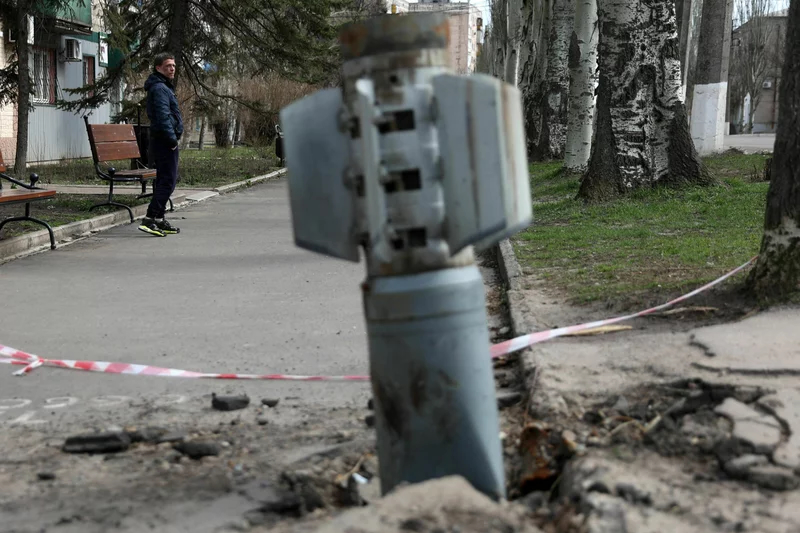
Figure 1: To left: A Palestinian man carries a child casualty following Israeli strikes on houses in Rafah in the southern Gaza Strip October 17. REUTERS/Ibraheem Abu Mustafa. Photo and caption source. To right: A man walks past an unexploded tail section of a 300mm rocket which appear to contained cluster bombs launched from a BM-30 Smerch multiple rocket launcher embedded in the ground after shelling in Lysychansk, Lugansk region on April 11, 2022. Photo and caption source.

Human Rights and Drug Trafficking

Drug Trafficking

  • Trump Administration began using GWOT tactics on alleged drug traffickers

  • Issues in question:

    • Targeting civilian vessels operating in international waters
    • Due process
    • Violations of military and international laws of war
    • Freedom of movement
    • Cruel and unusual punishment

To right: Photo of a boat recently struck by US missiles. Photo obtained from the BBC via Defense Secretary Hegseth’s X account.

Human Rights and Immigration, Asylum, and Refugees

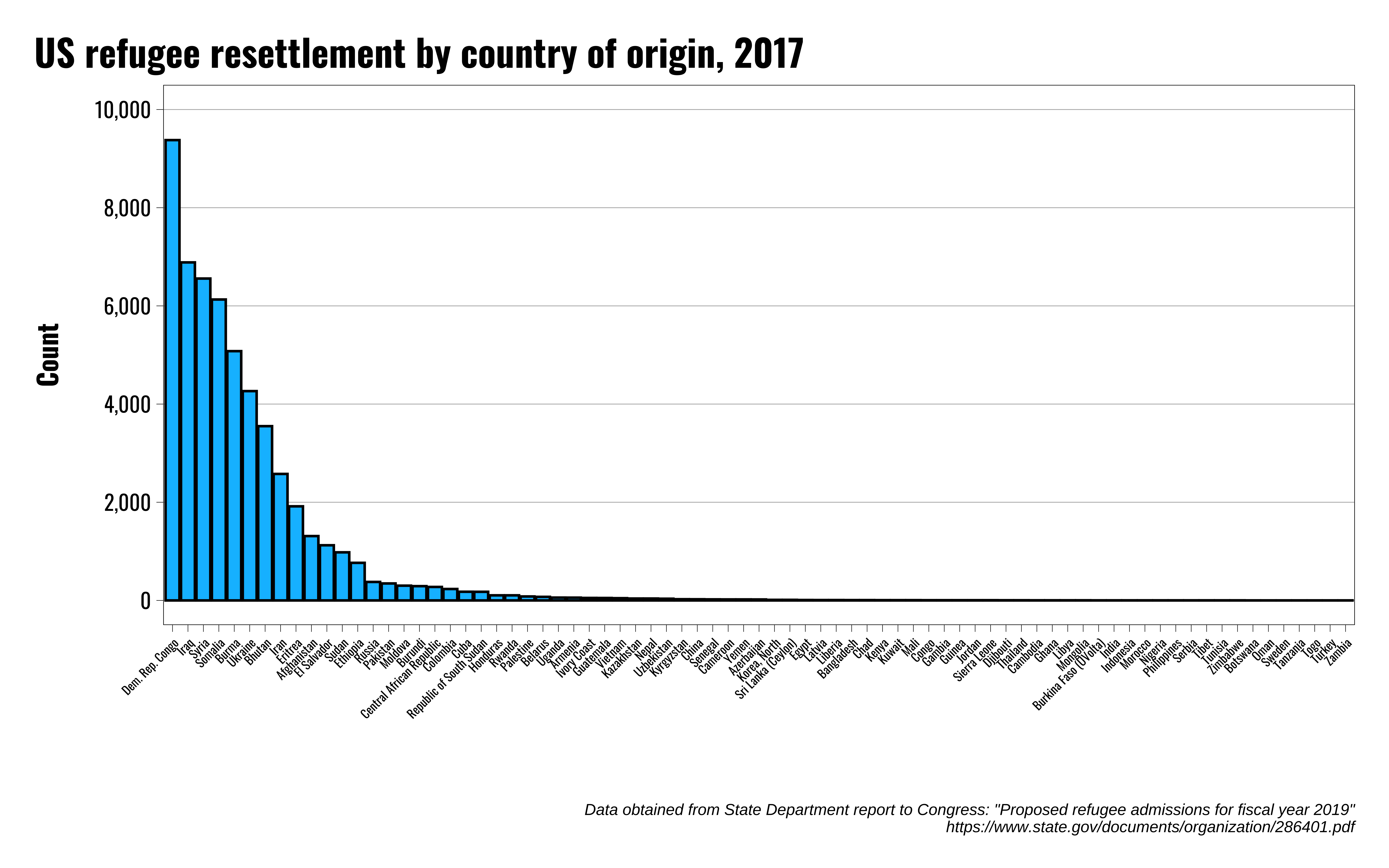
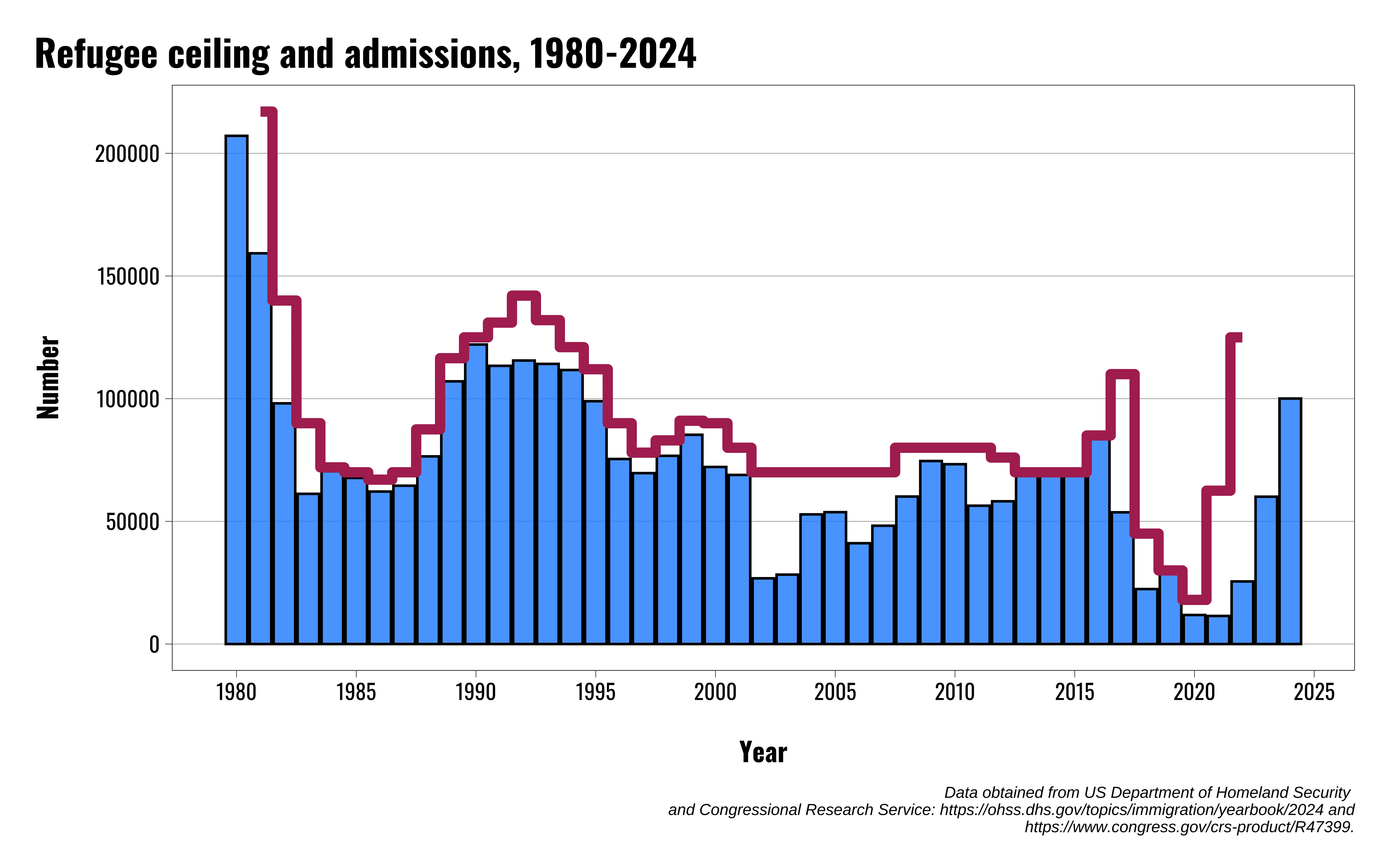
  • US offers to let in people who may be persecuted in their home countries.

  • Groups are classified as one of two types.

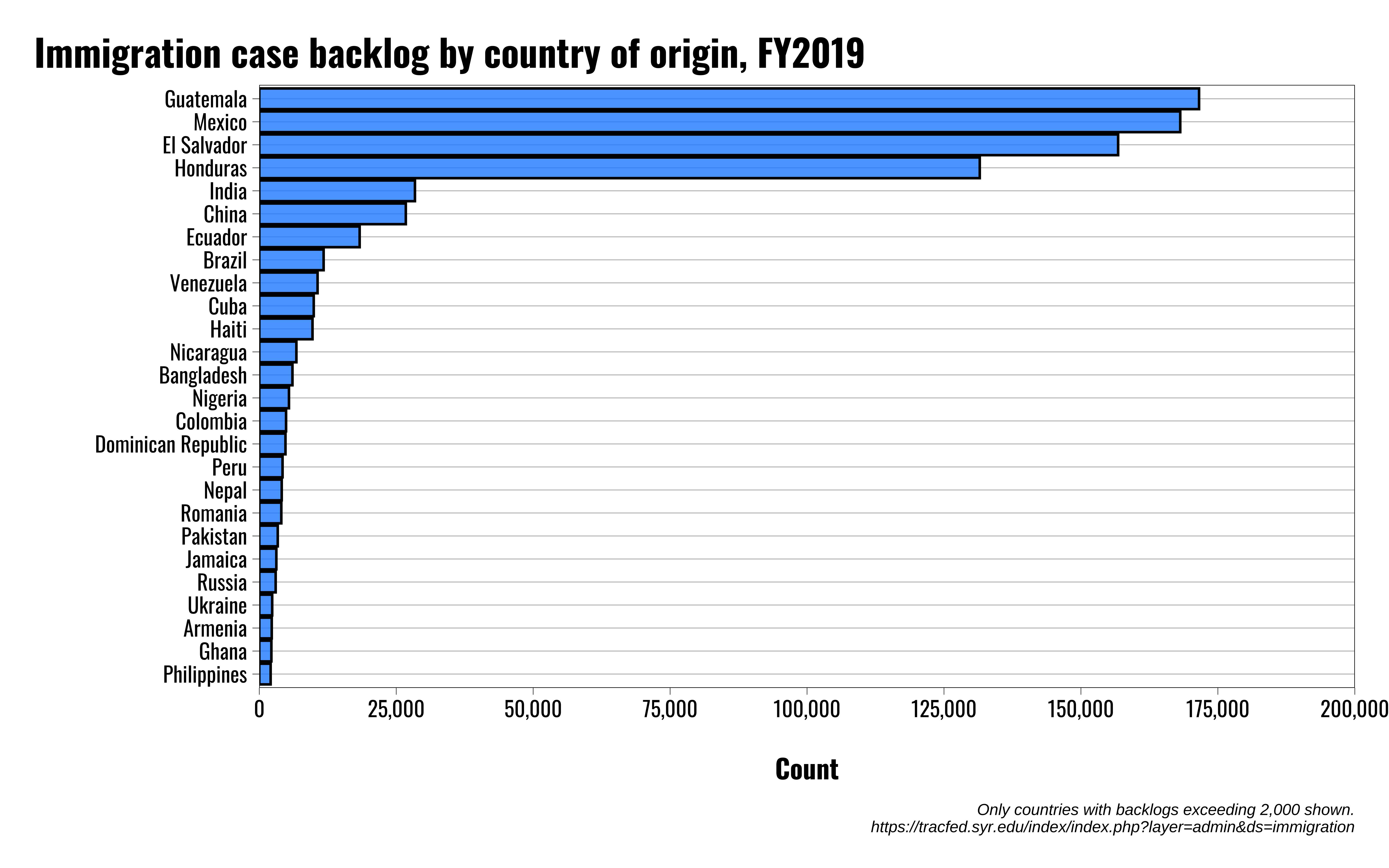
    • Asylum Seekers
    • Refugees
  • Trump Administration has sought to reduce access across the board, including general immigration, asylum seekers, and refugees

  • Refugees and Asylum seekers are been particular targets

Human Rights and Immigration, Asylum, and Refugees

So what do these terms mean?

Refugee According to 8 U.S. Code § 1101(a)(42)(A)

Any person who is outside their home country and who is unable or unwilling to return to that country because of persecution or a well-founded fear of persecution on account of race, religion, nationality, membership in a particular social group, or political opinion.

Asylum

Meet criteria for refugee status, but apply after they are in the United States, or at a port of entry.

Human Rights and Immigration, Asylum, and Refugees

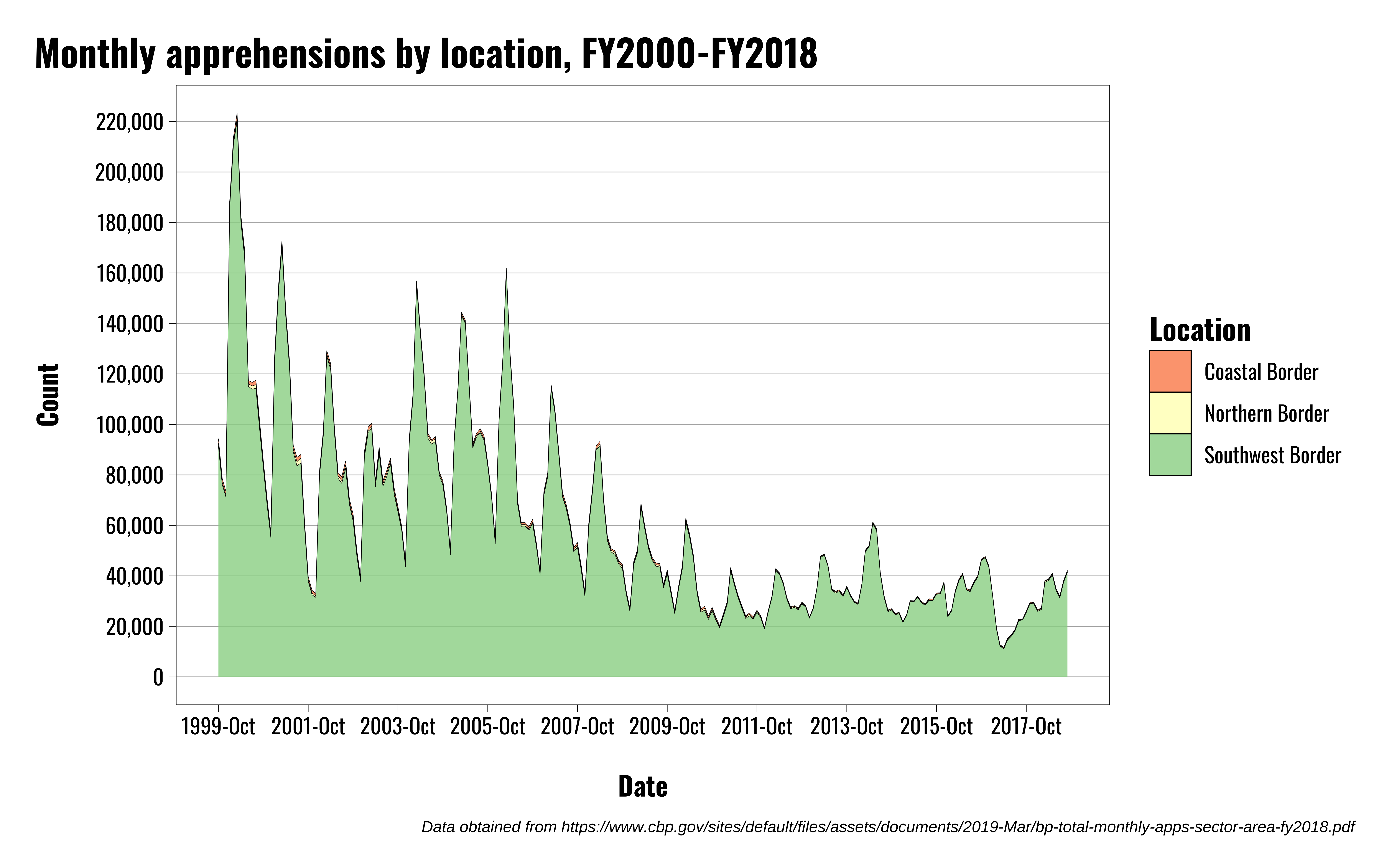
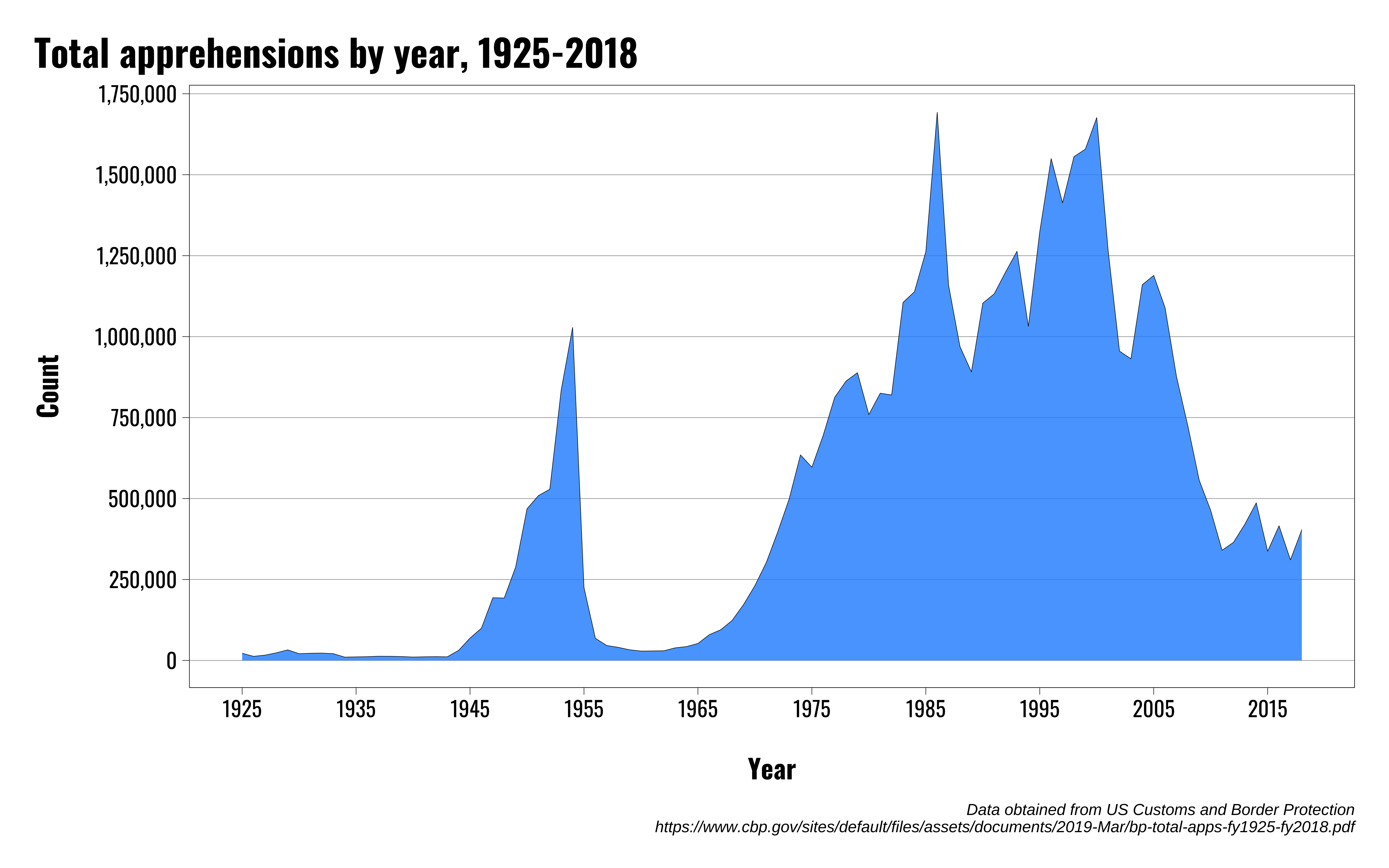
  • Large focus on Southwest Border

  • This is the border between the US and Mexico

  • Trump campaigned in 2015-2016 on cutting down on migration from Mexico and central America, claiming broad patterns of violence and crime for which there’s little evidence

  • Escalated existing deterrence strategies employed by previous administrations to reduce migration

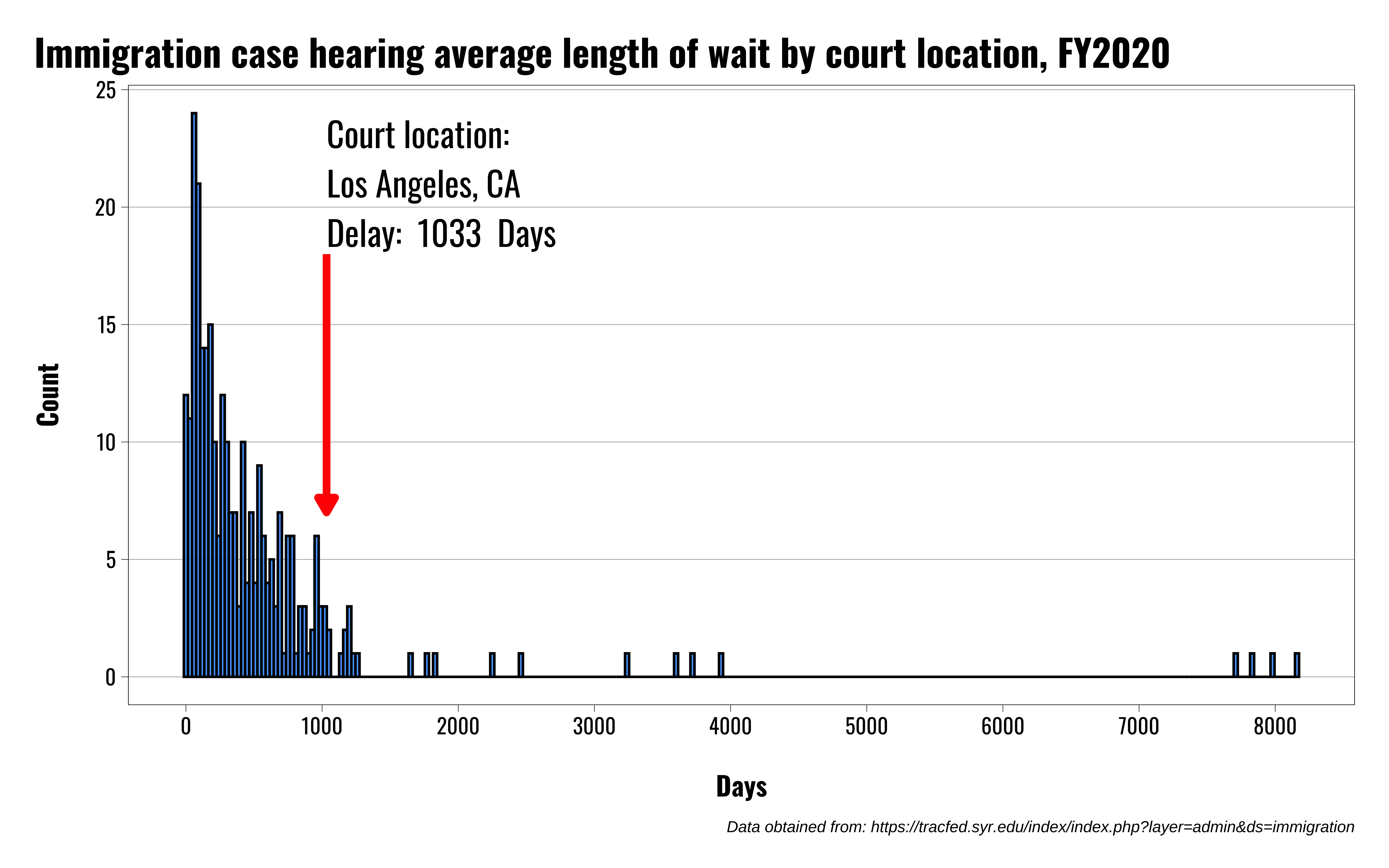
  • But what does it take for deterrence to work?

    • Is the threat credible?
    • What is the cost-benefit calculus of immigrants?

Human Rights and Immigration, Asylum, and Refugees

Mass Deportations

  • Federal enforcement
  • Deportation to third-party countries
  • Due process violations
  • Torture

Human Rights and Immigration, Asylum, and Refugees

Child separations

  • First Trump Administration instituted policy to separate children from their parents when they’re apprehended

  • Did previous presidents do this, too?

  • Yes, though Not as a systematic policy tool:

    • Children could be separated from parents when parents were criminally charged after apprehension or where officers suspected human trafficking
    • Trump administration instituted a “zero-tolerance” policy, meaning all unlawful entrants will be systematically subject to criminal prosecution.
    • Systematically charging unlawful entrants with a crime means children are then treated as unaccompanied minors
    • This meant that individuals would be detained, and if they were accompanied by children, those children would be detained separately from parents.
    • Obama Administration housed women and children together while cases were pending. Families could be detained indefinitely.