US Foreign Policy

The Use of Military Force

Michael Flynn

Professor

Department of Political Science

011C Calvin Hall

meflynn@ksu.edu

2025-10-29

Lecture Overview

  1. What constitutes a “use of force”?

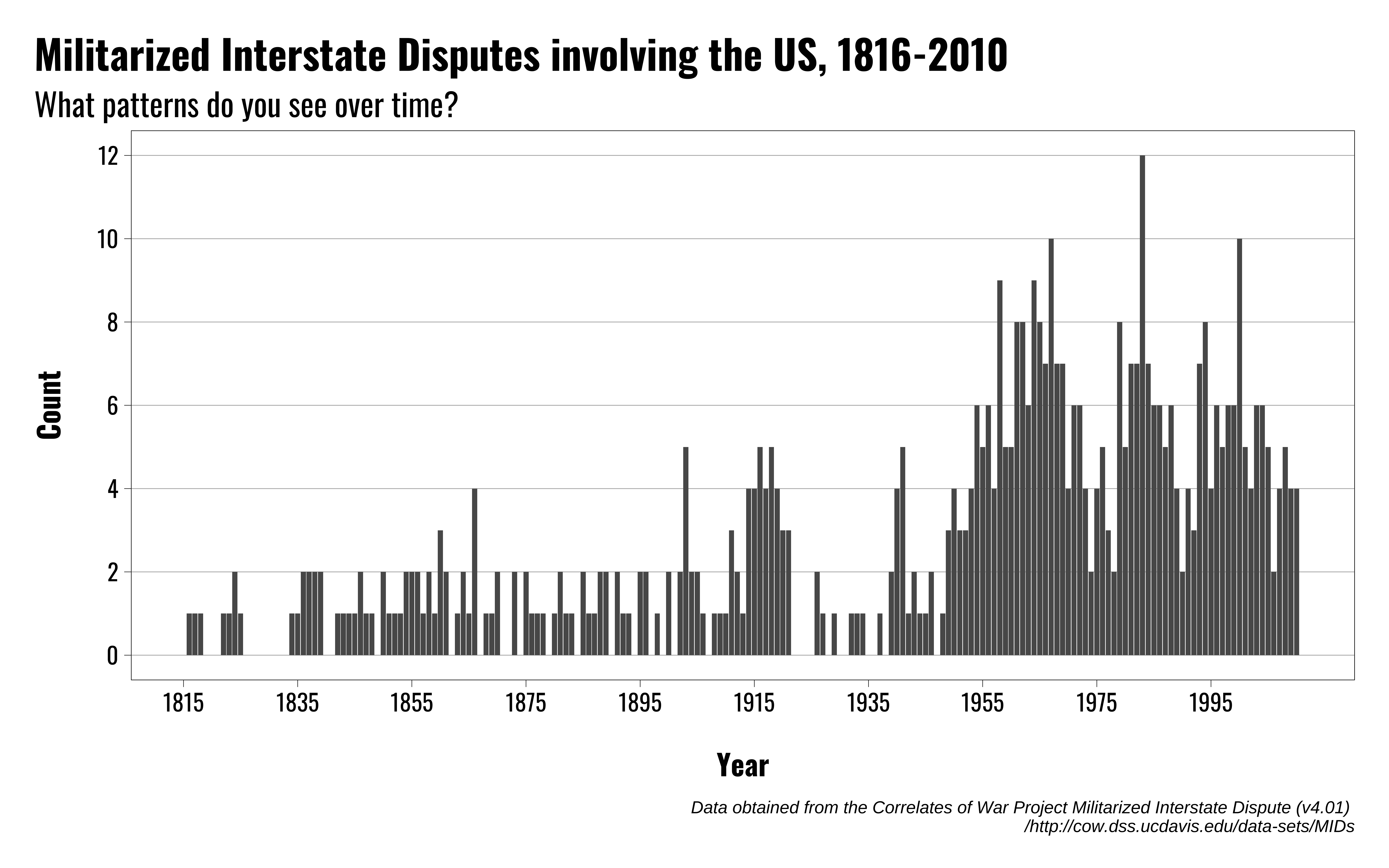
  2. Trends in the use of force over time

  3. When and why does the US use military force?

  4. Constraints on the Use of Force

Key Questions

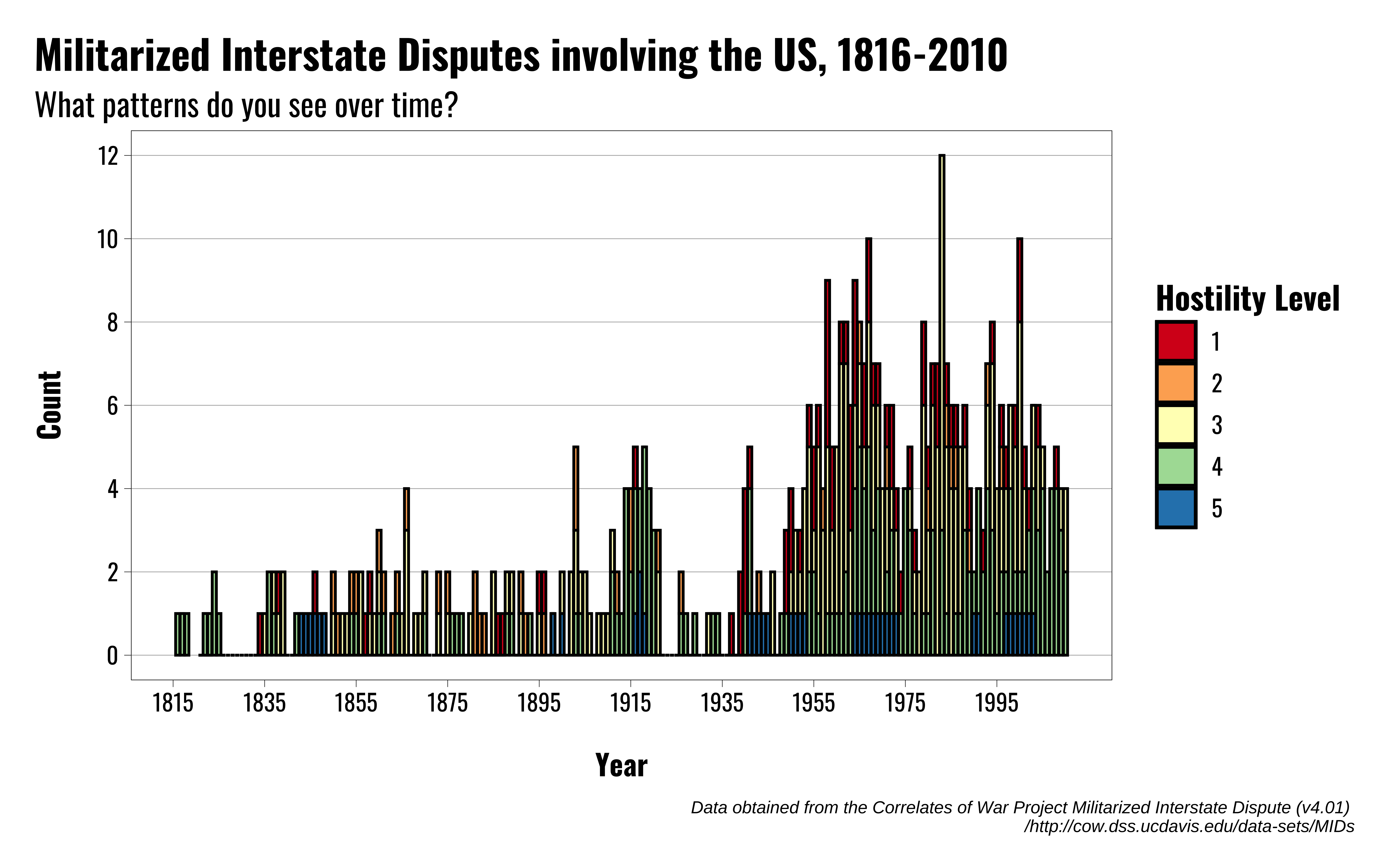
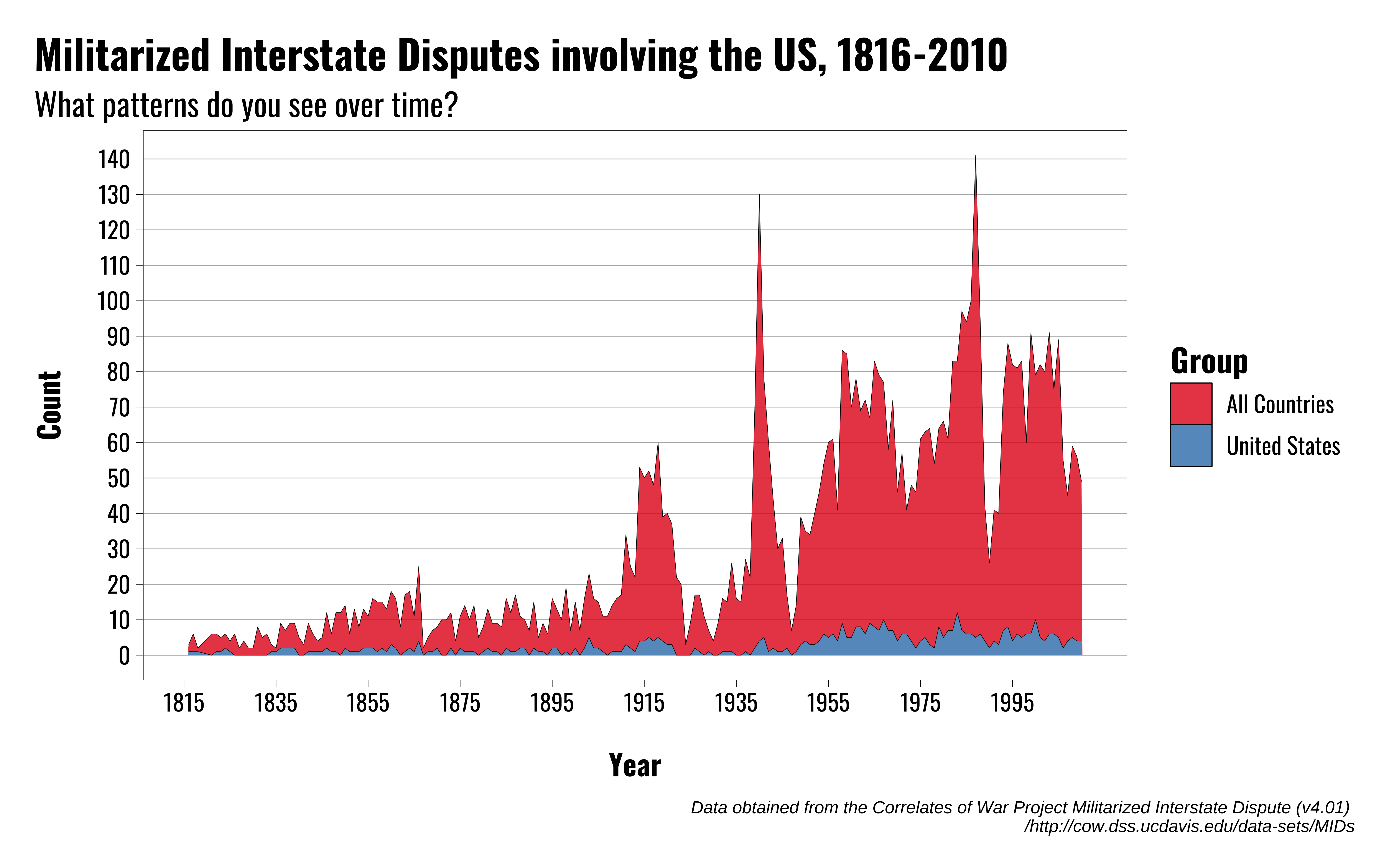
  1. What does US military activism look like over time?

  2. What constraints do policymakers face when using military force?

  3. What domestic factors shape incentives to use military force?

  4. Why do policymakers escalate (or not) military conflicts?

  5. What role do concepts like “resolve” play in the use of force?

What Constitutes Force?

What Constitutes Force?

What do we mean when we talk about the use of force?

  • This probably seems obvious, but reality differs from most people’s perceptions

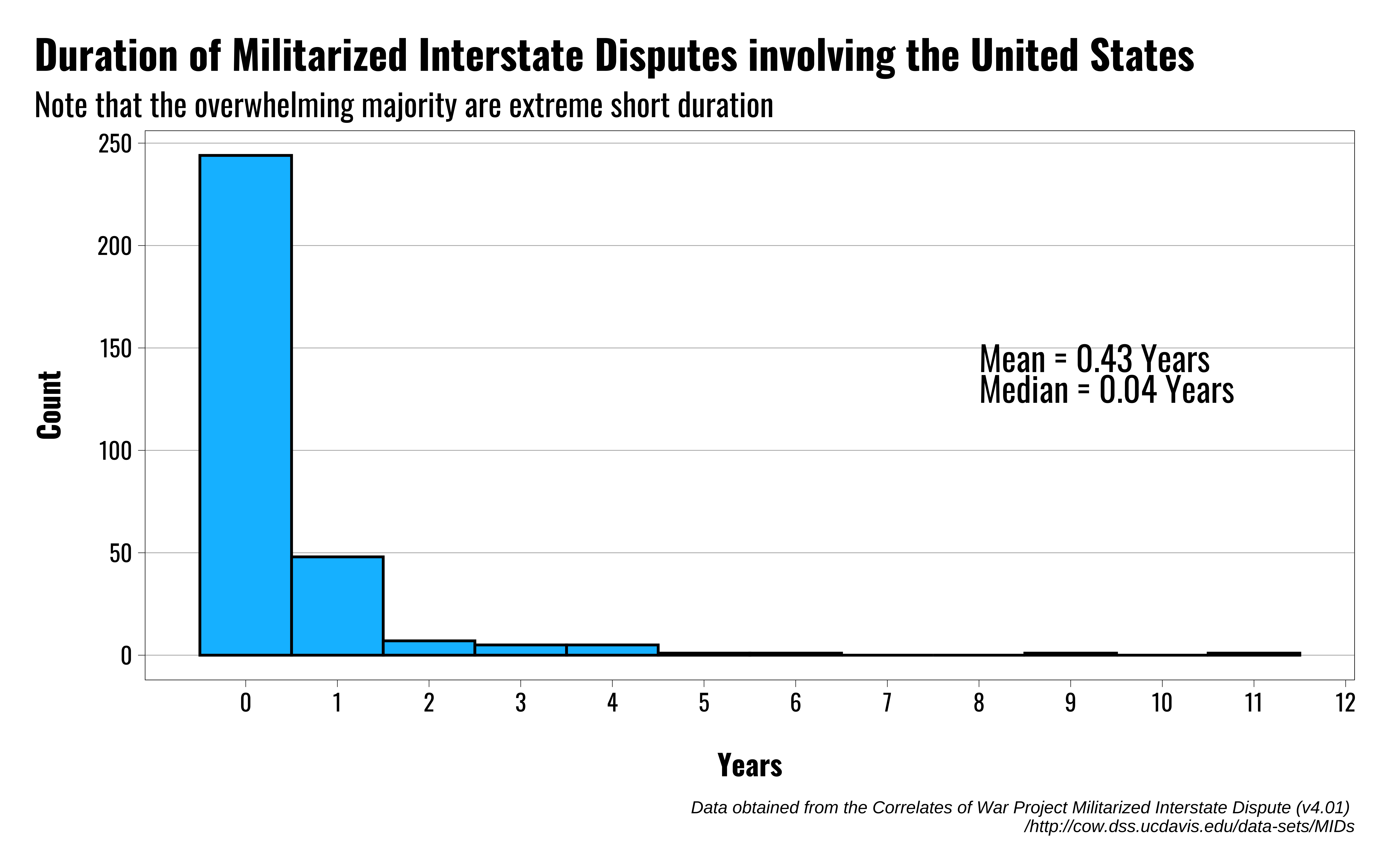
  • Most uses of military force are short duration and low intensity

  • Large-scale uses of force (i.e. wars) are relatively rare

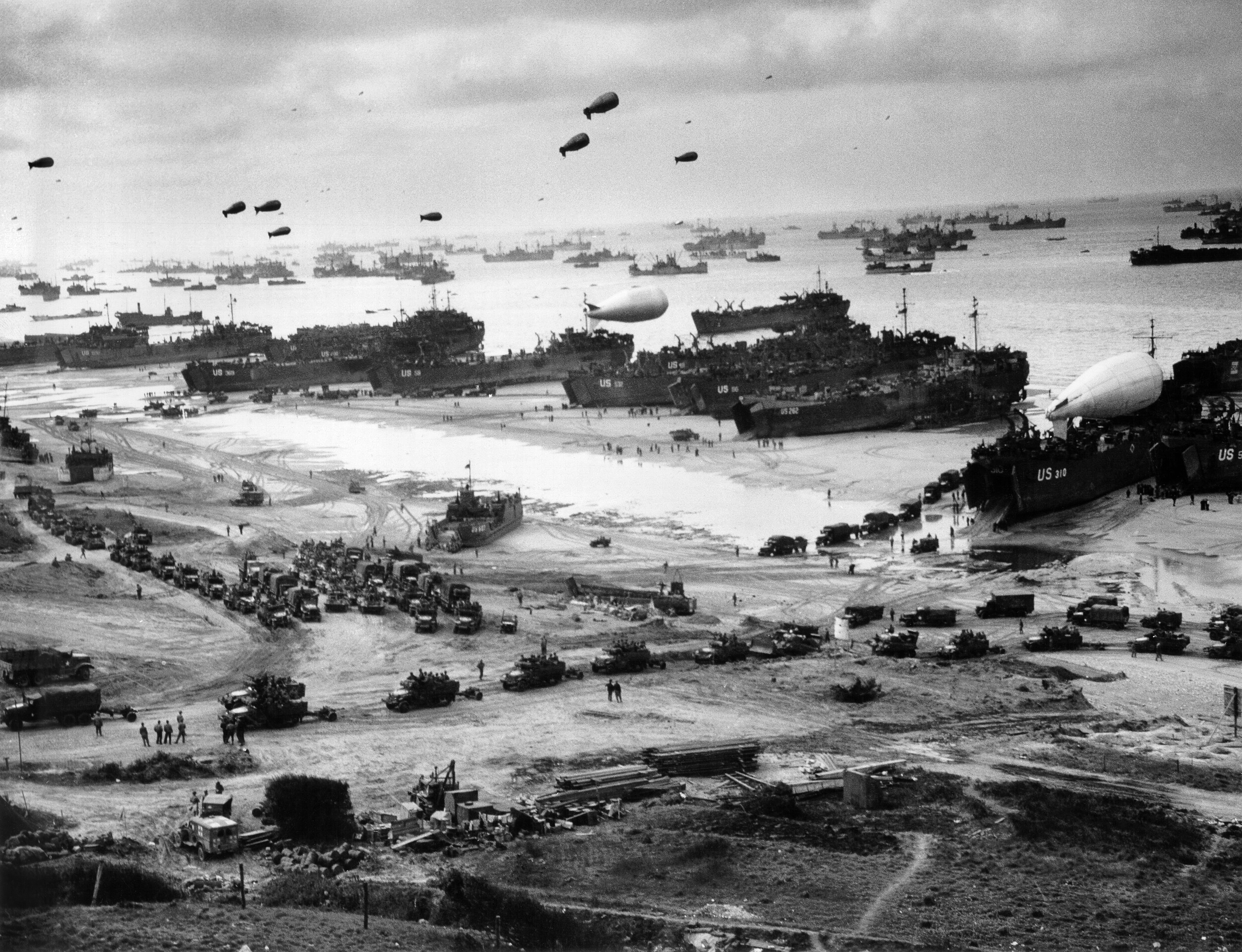
Allied forces move ashore during the invasion of Normandy, June 6, 1944.

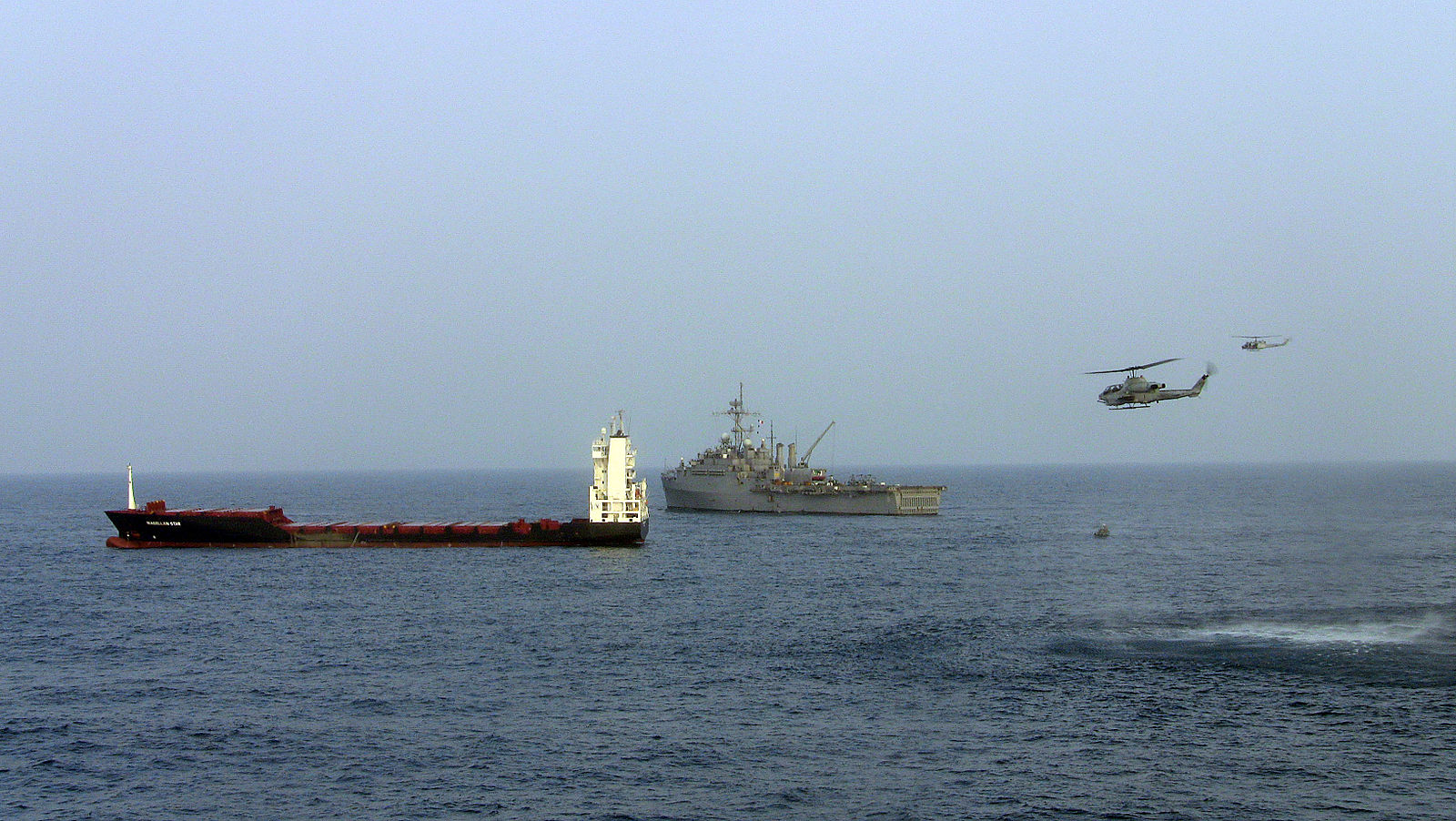
Members of the US Marine Corps 15th Marine Expeditionary Unit Maritime Raid Force fight off pirates that seized the Magellan Star in the Gulf of Aiden, September 2010.

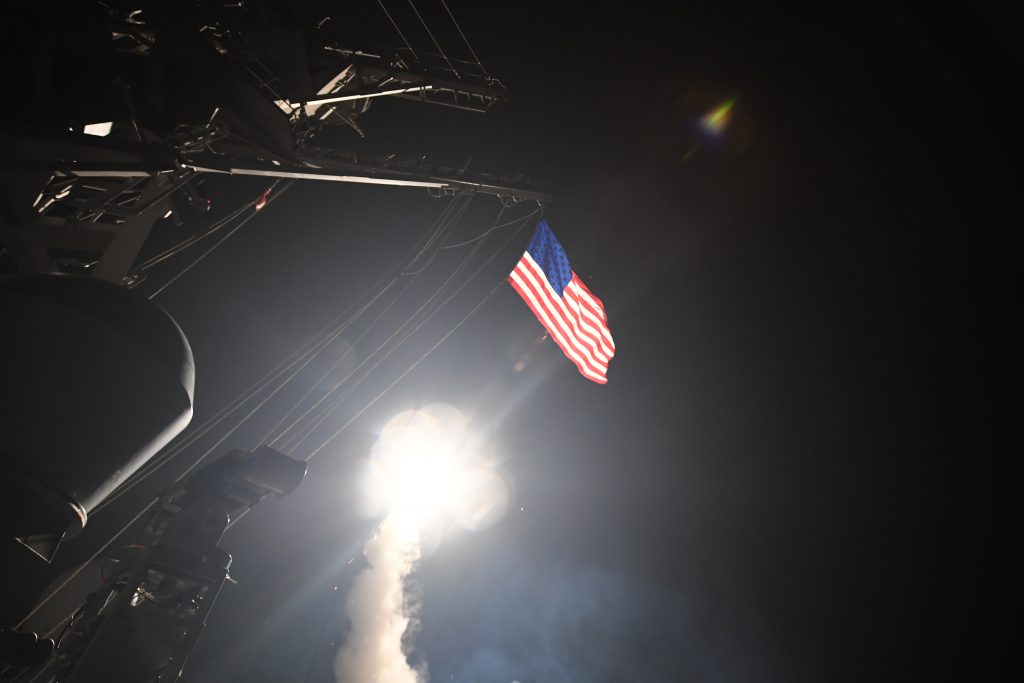
The guided middle destroyer USS Porter launches cruise missiles targeting Al-Shayrat Air Base in Syria. These strikes were part of a larger operation that involved the launch of 59 Tomahawk cruise missiles at targets in Syria in response to the use of chemical weapons by the Syrian government against civilians.

What Constitutes Force?

What do we mean when we talk about the use of force?

  • This probably seems obvious, but reality differs from most people’s perceptions

  • Most uses of military force are short duration and low intensity

  • Large-scale uses of force (i.e. wars) are relatively rare

When and Why Does the US Use Force?

When and Why Does the US Use Force?

Motivations:

  • Protest citizens abroad
  • Acquire territory
  • Secure commerce and access to markets
  • Secure access to to resources
  • Remove hostile leaders/governments from power
  • Check expansion of rival powers
  • Signal resolve
  • Strikes against actors who use terror
  • Intervene for humanitarian reasons

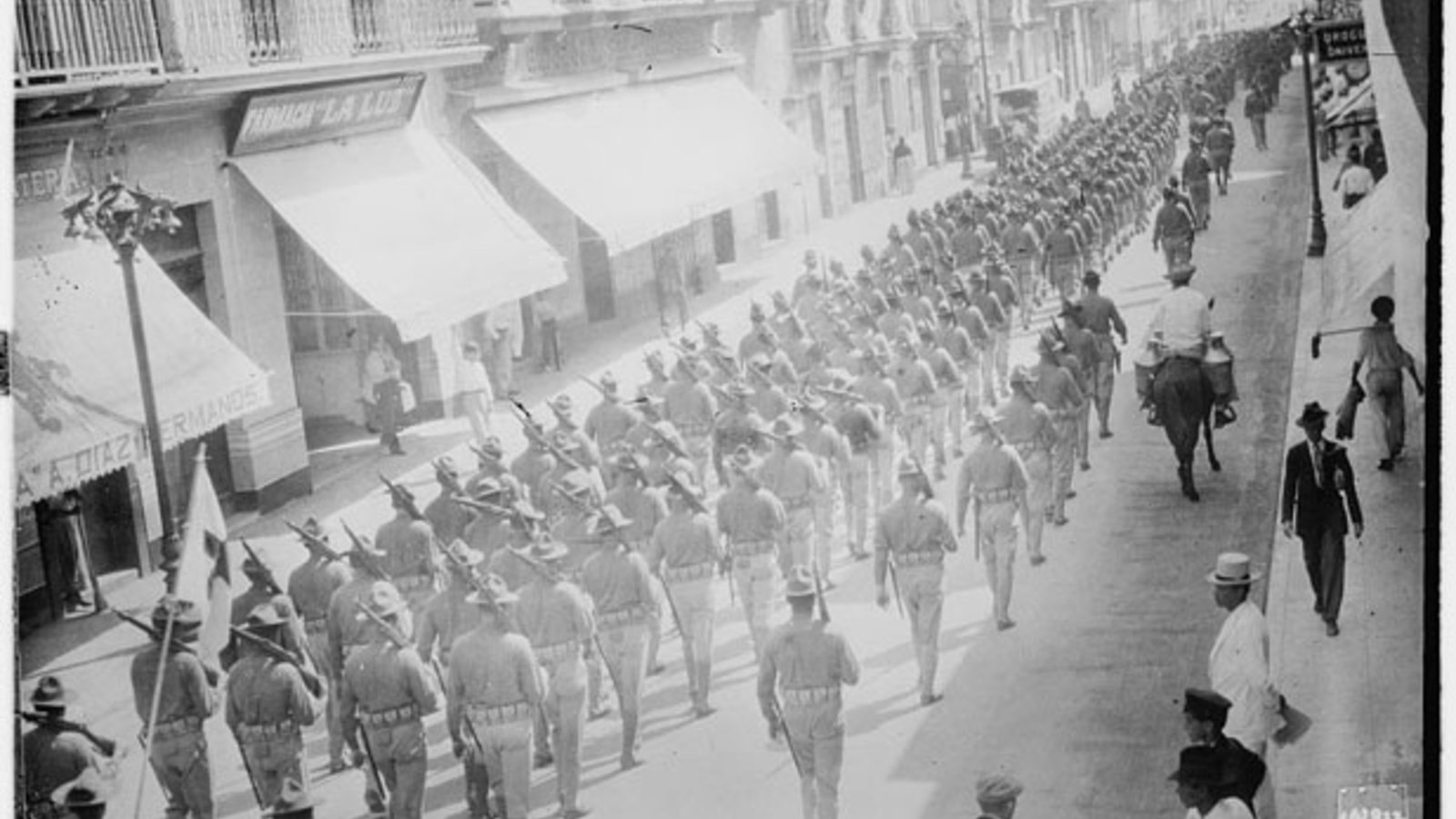
US military forces occupy the city of Veracruz, Mexico, 1914.

When and Why Does the US Use Force?

But what general factors should we think about?

Two broad categories:

  • International factors

  • Domestic factors

When and Why Does the US Use Force?

International factors

  • Opportunities to use force

  • Interests

    • Security Interests

    • Economic interests

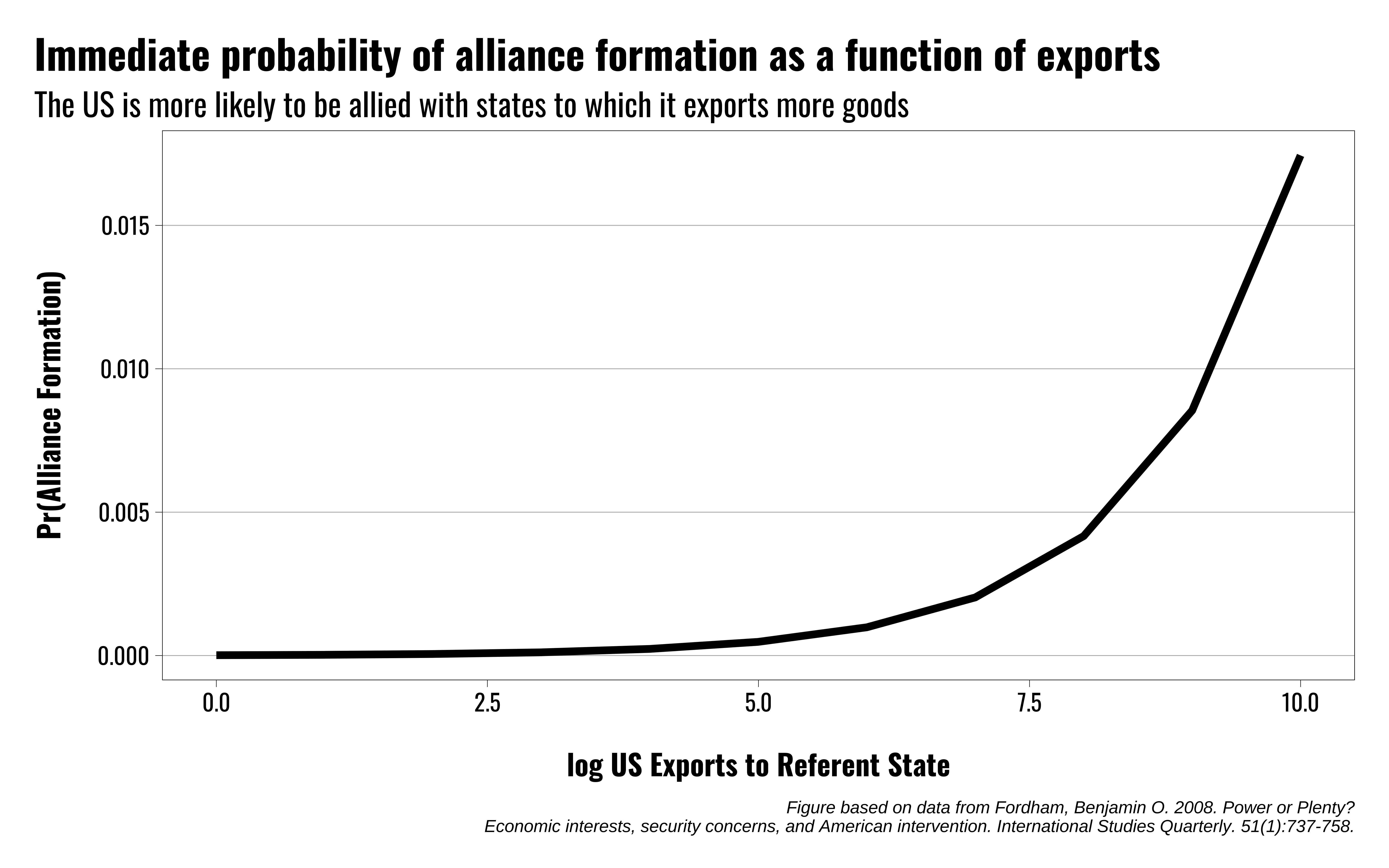
Predictors of US military intervention in civil and international crises
Predictor Civil Wars International Crises
Ally involvement + +
Rival intervenes first + +
Volume of trade
Relative power of target
Distance from US +
Population of target -
Democratic states
US growth rate
# Other states involved -
Note:
Fordham, Benjamin O. 2008. Power or Plenty? Economic interests, security concerns, and American intervention. International Studies Quarterly. 51(1):737-758.

When and Why Does the US Use Force?

Resolve

  • Politicians often talk about this a lot, but what is it?

A signal that an actor is willing to endure costs over a long period of time

  • But how can actors effectively communicate resolve?

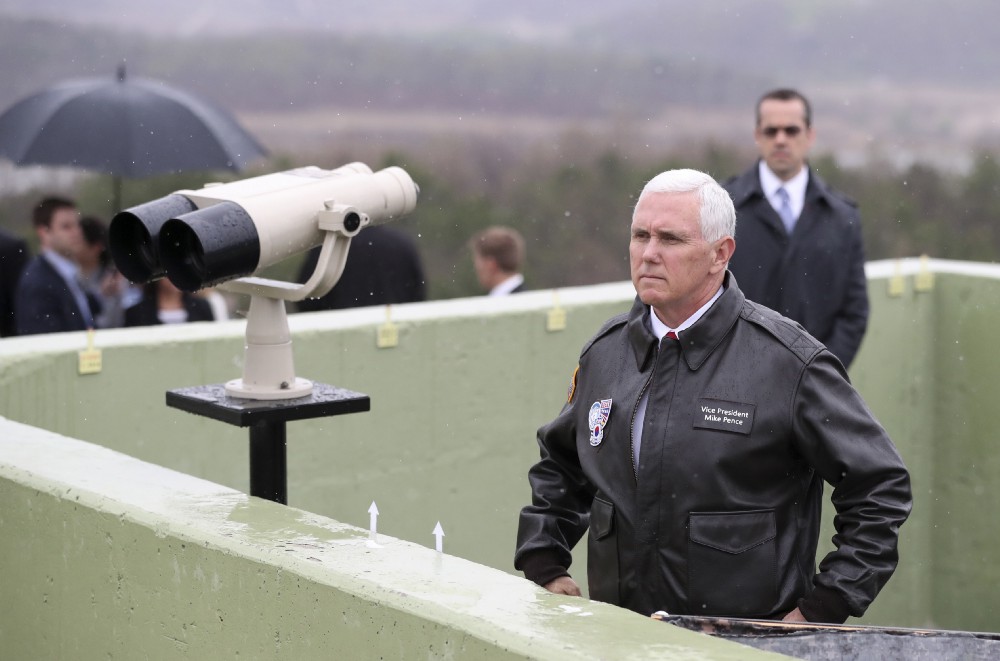
Vice President Mike Pence stares down North Korean soldiers from a parapet along the de-militarized zone. “I thought it was important that we went outside…I thought it was important that people on the other side of the DMZ see our resolve in my face.”

When and Why Does the US Use Force?

Domestic Political Factors

  • Diversionary use of force?

  • Partisanship?

  • Ideology?

When and Why Does the US Use Force?

Diversionary Use of Force

  • The idea is to distract from poor economic or domestic political conditions

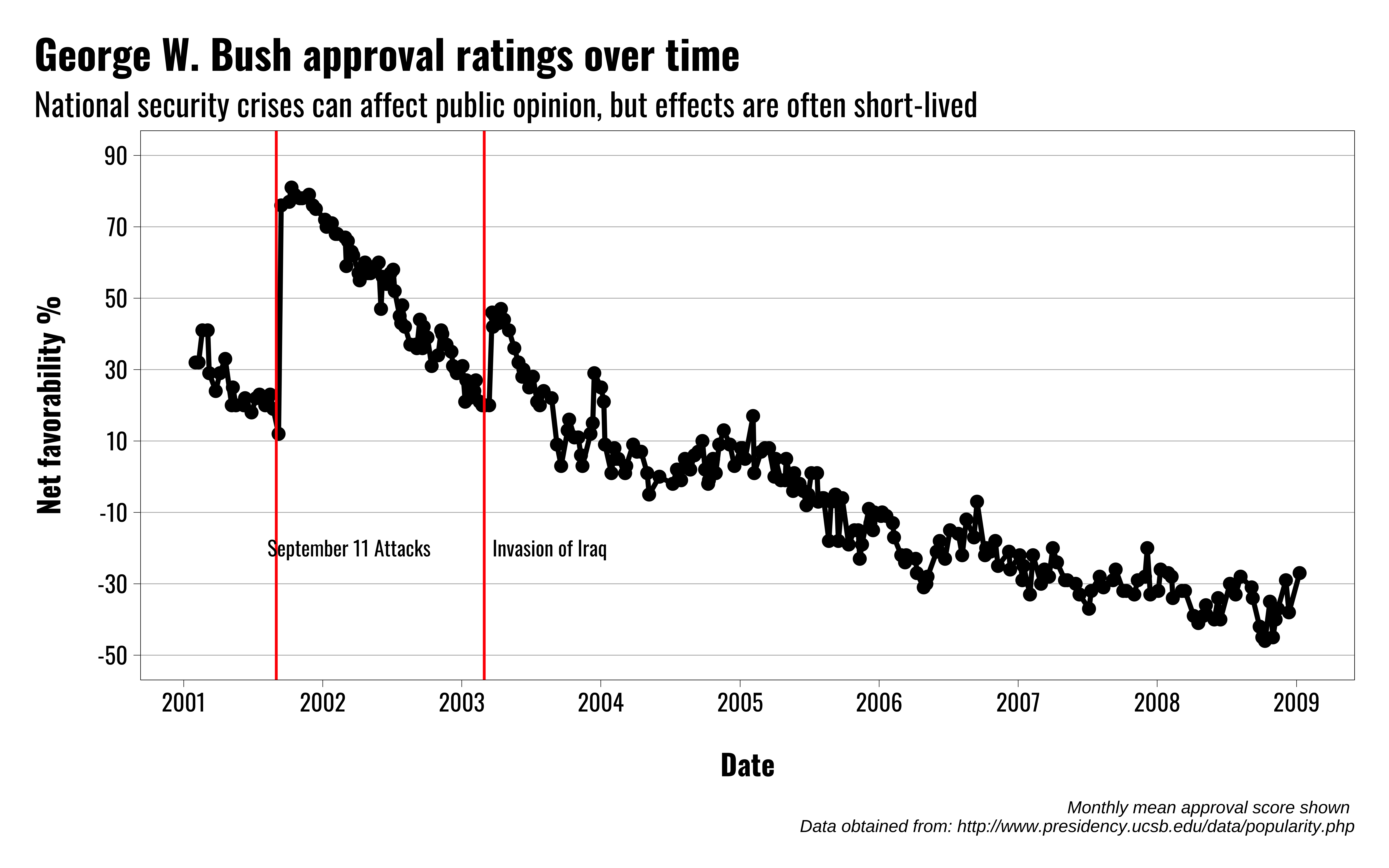
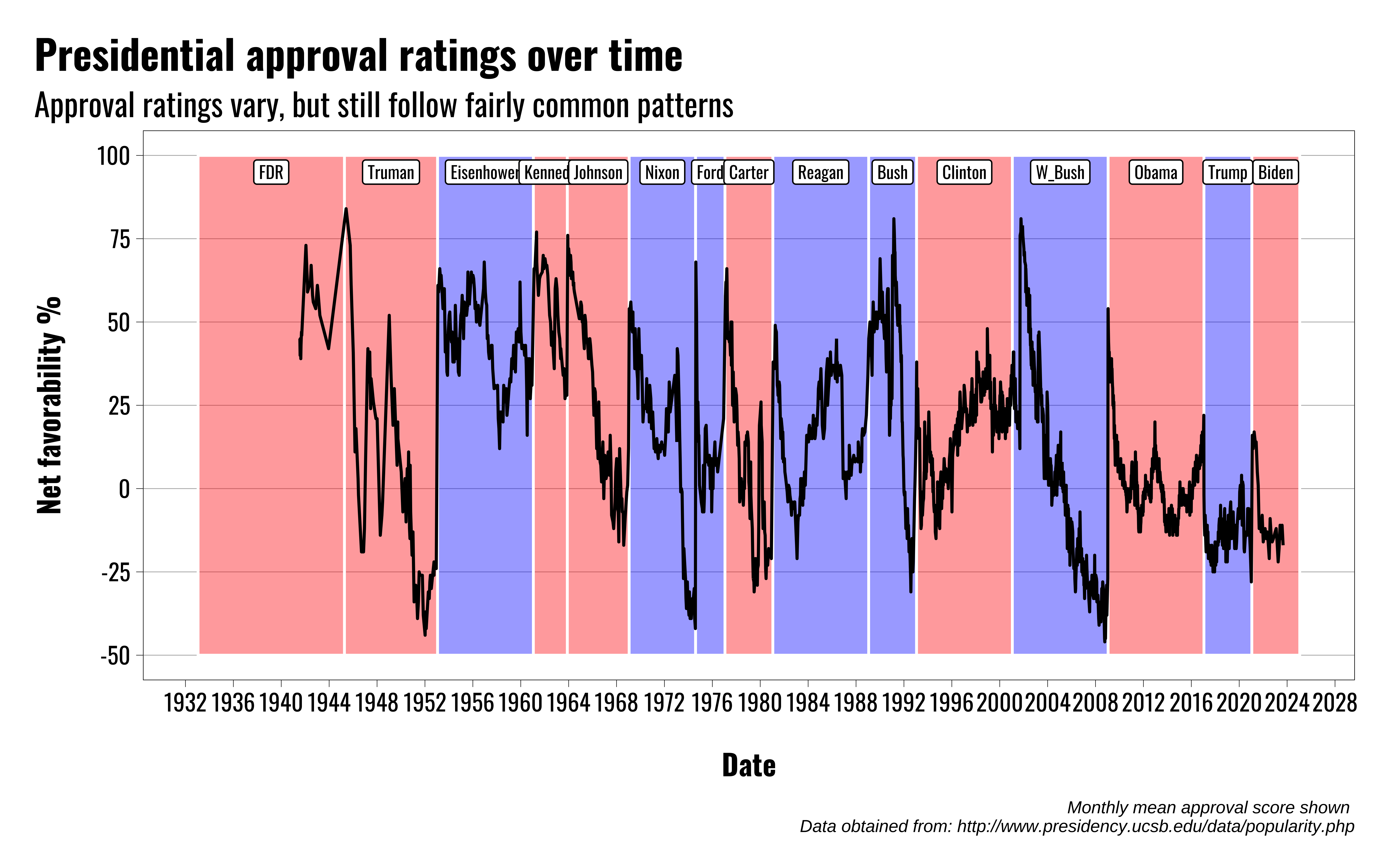
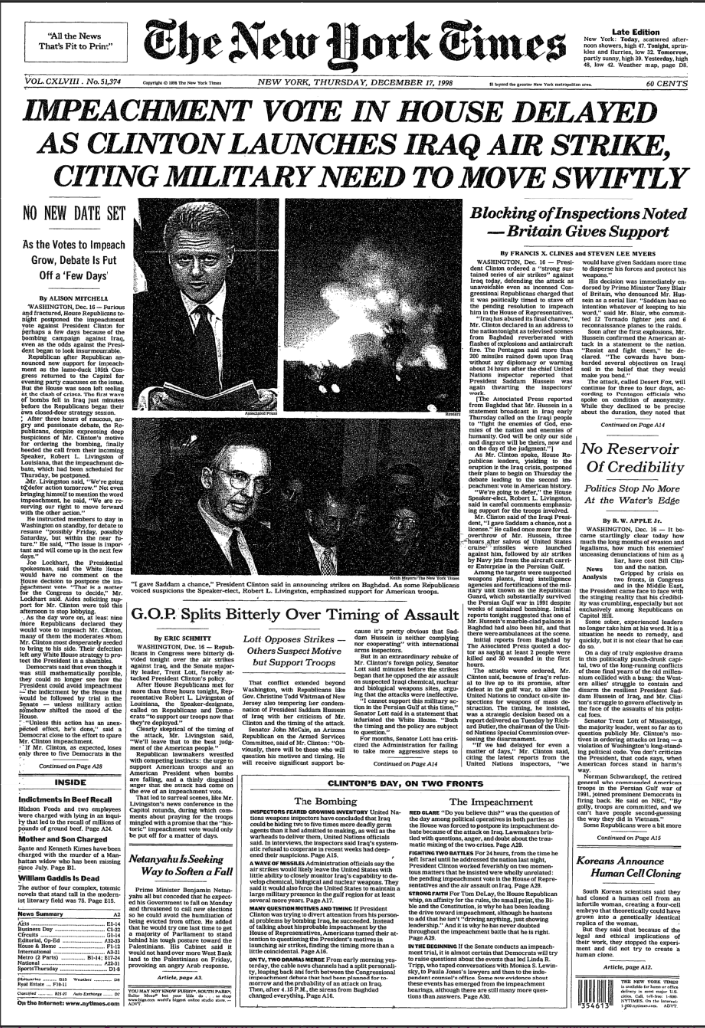
  • Use of force triggers a “rally” effect, increases presidential approval/favorability ratings

Front page of the December 17, 1998 issue of the New York Times. President Bill Clinton ordered air strikes against targets in Iraq in the midst of an unfolding impeachment process.

When Does the US Use Force?

But diversion may be more complicated

  • Parties are better/worse equipped to respond to “bad” conditions

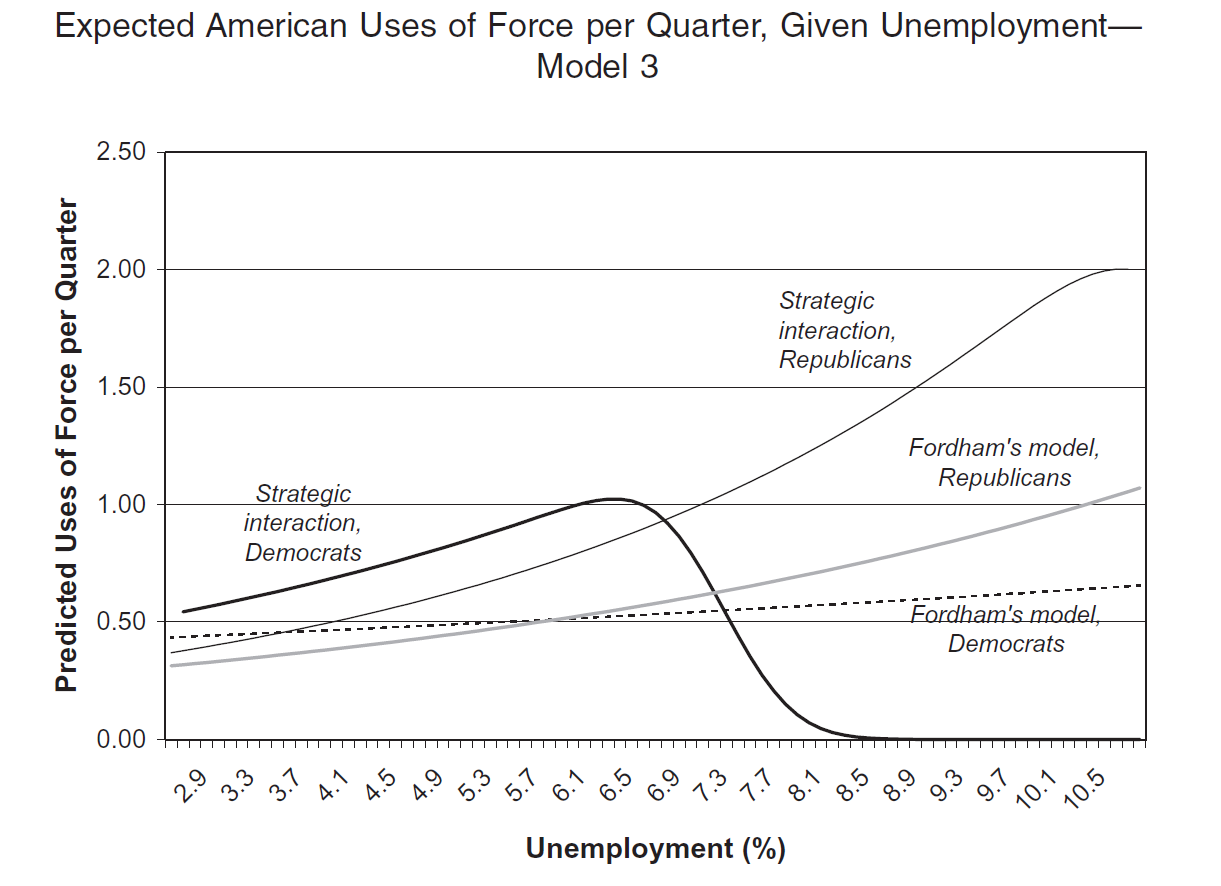
  • We can think of policy as substitutable, rather than strictly as diversionary

  • Example: Unemployment

    • Democrats

    • Republicans

Figure 1 from Clark, Fordham, and Nordstrom (2011) showing the relationship between unemployment and US conflict behavior, broken down by president’s party.

When Does the US Use Force?

What about other countries?

  • So far we’ve assumed the US initiates the use of force, but sometimes it’s also a target

  • We often focus on decision-making within the US, ignoring the decisions of other states

  • What sorts of factors determine when other countries target the US, and the intensity with which they do so?

When Does the US Use Force?

When is the US a target?

  • A few factors to consider
    • When is a target vulnerable?
    • When is a target’s hands tied?
    • When do you want to avoid “poking the bear”?

Diversionary logic can help us here:

  • Economic conditions: States try to avoid conflict with the US when economic conditions are bad (e.g. high unemployment).
  • Partisanship: Prior beliefs about how likely presidents of different parties are to use military force may shape other states’ decisions about attacking the US.
  • Rivalry: States with long-standing grievances and hostility towards the US may be more likely to use force in general.

Correlates of foreign conflict behavior towards the United States, 1946-1992
Outcome/Variable Effect
Conflict Intensity
US conflict behavior +
US Unemployment rate -
Democratic president +
Communist state +
Variation in State Behavior
State power +
Communist regime +
Note:
Dave Clark, Ben Fordham, and Tim Nordstrom. 2011. Preying on the Misfortune of Others: When do states exploit their opponents' domestic troubles? Journal of Politics. 73(1):248-264.

Constraints on the Use of Force

Constraints on the Use of Force

A puzzle:

  • The US is the most powerful state in history, but it loses wars and we never see its military capabilities used in full. Why?

  • What constraints exist on US military power?

  • What are the limits of US military power?

Constraints on the Use of Force

Some key factors:

  • Law and legitimacy

  • Risks, costs, benefits

  • Credibility

  • Public support

  • What will allies do?

  • What will rivals do?

  • Is the military the appropriate instrument of power for the goal in question?

Constraints on the Use of Force

Constitutional Authority

  • The US Congress has had the authority to declare war (Article I. Section; 8. Clause 11)

  • The President is designated by the Constitution as Commander-in-Chief of the US military (Article II. Section 2. Clause 1)

  • Congress has also previously exercised the authority to delegate limited uses of military force, short of war

    • Example: Quasi-War with France, 1798-1801
  • The Executive has claimed more authority and autonomy over time, particularly in the post-WWII era

Constraints on the Use of Force

War Powers Resolution of 1973

  • A response to the Vietnam War and concerns about executive overreach

  • Passed in 1973 Over President Nixon’s veto

  • Requires:

    • § 3: Regular consultations, “in every possible instance,” with Congress prior to deploying troops

    • § 4: Report to Congress within 48 hours of troop deployment explaining cause and justification for deployment. Also requires ongoing reports while troops are deployed.

    • § 5: Places a 60 day time limit on the deployment of US personnel, absent Congressional action.

    • § 5: Empowers Congress to end US military action by concurrent resolution

Constraints on the Use of Force

International Law

  • The UN Charter generally prohibits the use of force, except in two cases:

    • Individual or Collective Self-defense (Article 51)

    • When authorized by the UN Security Council to maintain peace and stability (Chapter VII)

  • Hague Conventions focus on means and methods of warfare

  • Geneva Conventions and other treaties place limits on the conduct of warfare

  • Various other treaties and agreements

    • Convention against torture and other cruel, inhuman, or degrading punishment of 1984
    • Biological Weapons Convention of 1975 (BWC)
    • Chemical Weapons Convention of 1993 (CWC)
    • Nuclear Non-Proliferation Treaty of 1970 (NPT)
    • Anti-Personnel Mine Ban Treaty of 1997 (Ottawa Convention)

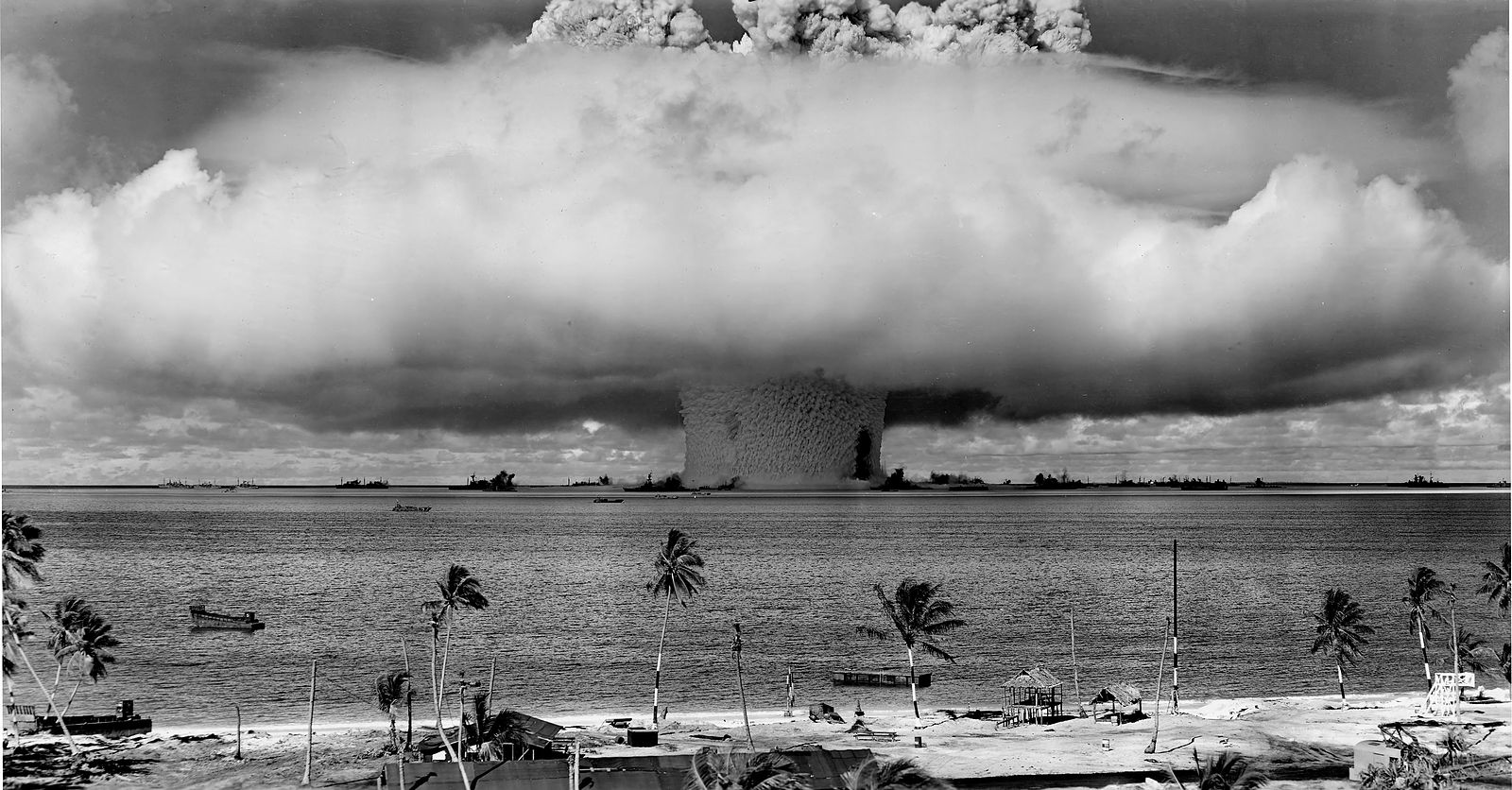
US test of an atomic bomb on Bikini Atoll, July 1946. The picture shows the first of two bombs tested, named “Able”. The second bomb generated a radioactive mist that turned test ships in the vicinity into “radioactive stoves”. Extreme military power is often of very little practical use.

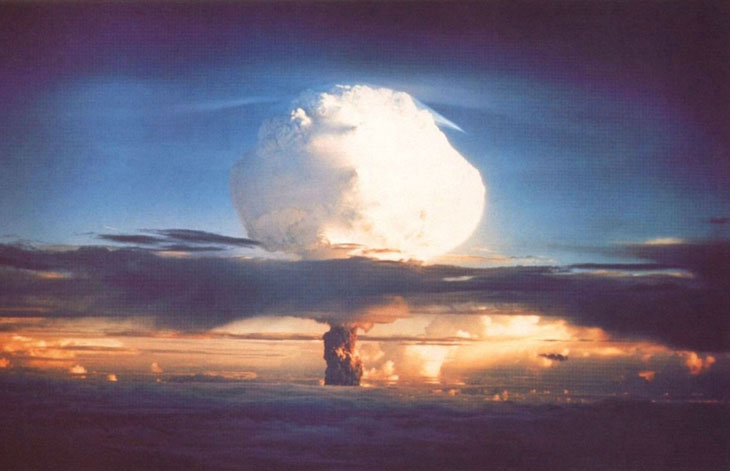
A photo of “Ivy”Mike”, the first thermonuclear (Hydrogen) bomb test. November 1, 1952. The test took place on Enewetak Atoll, a section of the US Marshall Islands.

Constraints on the Use of Force

Domestic public support

  • Public support generally diminishes over time

  • As a rule, the costs of war only grow over time

  • Military force becomes increasingly political, leading to greater congressional involvement

  • Conflict reveals information over time, and may reveal faulty assumptions from war’s beginning

Constraints on the Use of Force

What will allies do?

  • Allied leaders may press for limits on the scope of conflict

  • They might withhold capabilities

  • They might limit mission types in which their troops can participate

  • Allied publics might not support expanding the scope of conflict

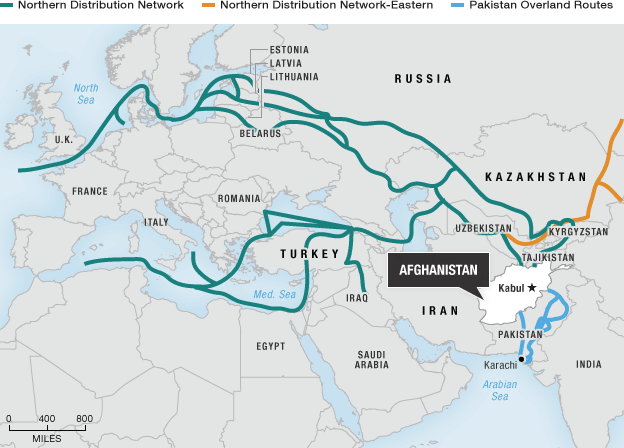
US supply routes into Afghanistan, 2009.

Constraints on the Use of Force

What will rivals do?

  • Rivals might greet US escalation with their own action

  • Rivals may benefit from overly aggressive US action

  • Rivals might also ramp up their efforts to counter US in other geographic/issue areas

Constraints on the Use of Force

Are there better options?

  • The US has come rely more and more on the military to do a wide range of tasks

  • But the military may not always be the best tool for the job

  • The use of force often requires deploying other forms of power, influence, and expertise, but the military can’t generate comparable levels of expertise in all issue areas as compared to other agencies

  • Efforts to build soft power may be undercut or offset by US military presence